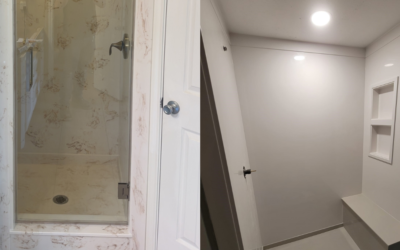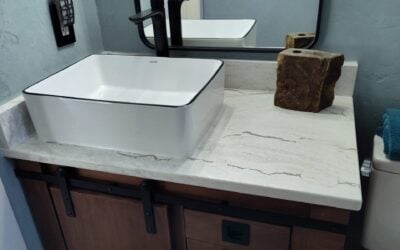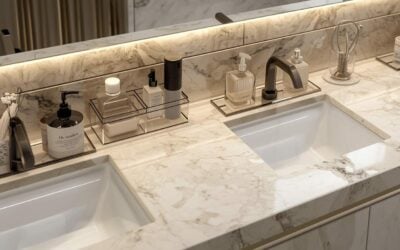
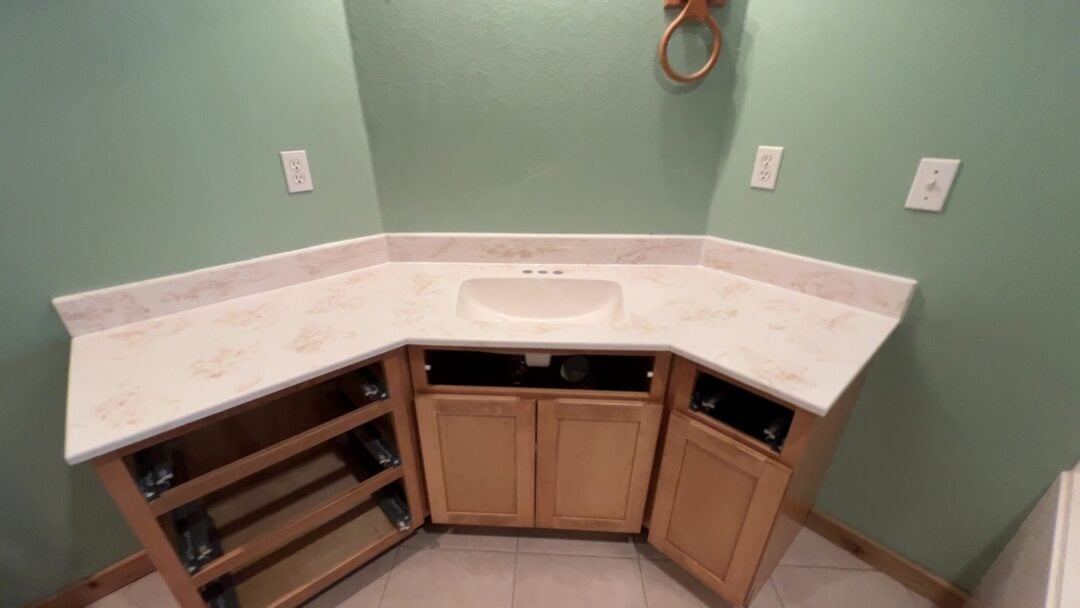
A beautiful bathroom starts with materials that balance style, durability, and practicality. Marble bathroom countertops can bring timeless elegance and distinctive natural veining to a space, creating a refined look that complements a variety of design styles. However, because natural stone marble is porous, it requires proper sealing and ongoing care to help protect it from moisture and staining in a bathroom environment. Understanding the benefits, maintenance needs, and design possibilities of marble can help you determine whether it is the right choice for your bathroom.
Key Takeaways
- Marble countertops bring enduring elegance and visual interest to bathrooms
- Opting for marble elevates the luxury and resale value of your home
- A variety of design ideas, such as waterfall edges and wood pairings, enhance marble’s appeal
- Marble offers long-term benefits, including durability and heat resistance
- Selecting the right marble involves considering color, pattern, and functionality
Exploring the Elegance of Marble Bathroom Countertops
Marble bathroom countertops can bring a timeless sense of elegance and sophistication to a bathroom. Used in architecture and interior design for centuries, marble is known for its natural veining and distinctive patterns, giving each slab a unique appearance. With proper sealing and care, natural stone marble can add a refined touch to a bathroom design.
One of marble’s most appealing qualities is its variety of colors and patterns. From the subtle veining of Carrara marble to the dramatic look of Calacatta, different options can complement both classic and contemporary bathroom styles. No two slabs are exactly alike, making the material a distinctive design feature.
Marble can also help create a bright, open feel. Its light-reflecting surface can enhance natural and artificial lighting, which can be especially useful in smaller bathrooms. Combined with the right fixtures, cabinetry, and finishes, marble countertops can contribute to a polished, spa-inspired atmosphere.
For homeowners who appreciate the look of natural stone, marble offers a combination of character and visual appeal. However, because marble is porous, proper sealing is essential when it is used in a bathroom to help protect the surface from moisture and staining.
Why Choose Marble for Your Bathroom?
Marble can add a distinctive, upscale look to a bathroom while offering a variety of colors, patterns, and finishes to suit different design styles. Its natural veining gives each piece a unique appearance, while its heat-resistant surface can handle everyday bathroom use. Because natural stone marble is porous, it should be properly sealed and maintained when used in a bathroom to help protect it from moisture and staining. When considering marble for your bathroom countertops, keep these benefits in mind:
- Distinctive appearance: Natural veining and patterns give marble a one-of-a-kind look
- Design versatility: Available in a range of colors, patterns, and finishes
- Heat resistance: Can withstand heat from common bathroom styling tools
- Timeless appeal: Complements both traditional and contemporary bathroom designs
- Potential home value: High-end materials such as marble may appeal to prospective buyers
- Sealing required: Proper sealing helps protect porous natural marble from moisture and stains
Top Design Ideas for Marble Bathroom Countertops
Marble bathroom countertops offer plenty of design flexibility, making it possible to create everything from a clean, modern bathroom to a warm, traditional space. Natural veining adds visual interest, while different countertop edges, cabinetry, and surrounding materials can change the overall look. Since natural marble is porous, proper sealing should also be part of the design and maintenance plan when using it in a bathroom.
1. Create a Waterfall Edge
A waterfall edge extends the countertop material down the side of the vanity for a continuous, polished appearance. This design highlights the natural veining of the marble and creates a sleek, modern look. It works especially well with minimalist vanities and contemporary bathroom designs.
2. Pair Marble With Wood Accents
Wood cabinetry or shelving can add warmth and contrast to the cool appearance of marble. The combination of natural wood grain and marble veining creates a balanced look that feels both inviting and refined. Choose wood tones that complement the colors and veining in the marble for a cohesive design.
3. Use Marble in an All-White Bathroom
An all-white bathroom can create a clean, bright, and calming atmosphere. White marble with subtle gray veining, such as Carrara marble, adds texture and visual interest without taking away from the simplicity of the space. Pairing the countertop with white cabinetry and light-colored walls can create a timeless appearance.
4. Contrast Light Marble With Dark Cabinetry
Dark cabinetry paired with a light marble countertop creates a bold contrast that immediately draws attention to the vanity. Deep wood tones, black cabinetry, or other dark finishes can add depth while allowing the marble’s natural veining to stand out. This combination works well for homeowners who want a more dramatic bathroom design.
5. Combine Marble With Other Materials
Mixing marble with other countertop, tile, or accent materials can create additional texture and dimension. Pairing marble with materials such as granite or quartz can introduce contrasting colors and patterns throughout the space. Keep the overall palette coordinated so the different materials complement rather than compete with one another.
Benefits of Installing Marble Countertops in Your Bathroom
Marble countertops can bring lasting beauty and practical advantages to a bathroom when properly installed and maintained. Their natural veining creates a timeless look, while their heat resistance and design versatility make them a popular option for bathroom vanities. However, natural stone marble is porous, so proper sealing and routine care are important to protect the surface from moisture and staining. When considering marble countertops for your bathroom, consider these benefits:
- Timeless appearance: Natural veining creates a classic look that complements many design styles
- Design versatility: Available in different colors, patterns, and finishes
- Heat resistance: Handles exposure to warm styling tools and bathroom temperatures
- Long-lasting material: With proper care, marble can remain a durable and attractive countertop material
- Easy routine cleaning: Sealed marble can be cleaned with appropriate mild, stone-safe products
- Unique character: Each piece has its own natural veining and color variations
How to Select the Perfect Marble for Your Bathroom Countertops
Choosing marble for a bathroom countertop involves more than selecting a color you like. Consider the marble’s veining, finish, lighting, and how well it will complement your bathroom’s overall design. Because natural marble is porous, it’s also important to discuss sealing, maintenance, and moisture exposure with a countertop professional before making your final selection.
| Factor | What to Consider |
| Color | Choose a marble color that complements your cabinetry, flooring, walls, and other bathroom finishes. Lighter shades can create an open, airy feel, while darker tones can add contrast and depth. |
| Veining | Consider whether you prefer subtle, understated veining or bold patterns that make the countertop a focal point. Natural marble varies from slab to slab, so viewing the actual material can help you understand its appearance. |
| Finish | A polished finish provides a glossy, reflective appearance, while a honed finish offers a softer, matte look. Consider how each finish fits your preferred style and maintenance expectations. |
| Lighting | View marble samples under the lighting used in your bathroom. Natural and artificial light can affect how the stone’s colors and veining appear throughout the day. |
| Sealing and Maintenance | Natural marble is porous and requires proper sealing when used in a bathroom. Ask a professional about sealing frequency and appropriate cleaning products to help protect the countertop from moisture and staining. |
| Professional Guidance | A countertop professional can help you evaluate the marble’s characteristics and determine whether it is appropriate for your bathroom’s specific conditions and intended use. |
Marble for Bathroom Countertops FAQ
How does marble compare with other countertop materials for bathrooms?
Marble offers a natural, distinctive appearance that manufactured materials may not be able to replicate exactly. Each slab has its own veining and color variations, giving a bathroom countertop a more individual character. The best material depends on your preferred appearance, maintenance expectations, budget, and how the bathroom will be used.
Can marble bathroom countertops be customized?
Yes, marble countertops can be fabricated to fit the dimensions and layout of a specific bathroom vanity. Edges, cutouts for sinks and faucets, and other details can be customized during fabrication. This allows the countertop to work with both standard and more unique bathroom designs.
Is marble suitable for a bathroom vanity with an undermount sink?
Marble can be fabricated to accommodate an undermount sink, creating a clean transition between the countertop and sink basin. This style can give the vanity a streamlined appearance and make it easier to wipe water and debris directly into the sink. A professional fabricator can ensure the countertop and sink are properly measured and fitted.
What should homeowners consider when budgeting for marble bathroom countertops?
The overall cost of a marble countertop can depend on the type of marble, slab availability, countertop dimensions, edge profile, fabrication, and installation. More distinctive or harder-to-source marble varieties may have different pricing than more common options. It is helpful to consider the full project cost rather than evaluating the price of the stone alone.
How should marble countertops be incorporated into the rest of a bathroom design?
Marble can serve as either a subtle complement or a focal point depending on its color and veining. Coordinate the countertop with elements such as vanity cabinetry, wall tile, flooring, hardware, and fixtures to create a cohesive appearance. If the marble has dramatic veining, using simpler surrounding finishes can allow the natural stone to remain the visual centerpiece.
Create a Beautiful Bathroom With Marble Countertops
Marble bathroom countertops can bring timeless elegance and natural character to a bathroom while complementing a variety of design styles. From selecting the right color and veining to choosing a finish that suits your space, every detail can help create a countertop that is both visually appealing and functional. When natural marble is used in a bathroom, proper sealing and maintenance are also important because of its porous nature.
As a trusted provider of quality countertop materials, R&D Marble helps homeowners, designers, and builders bring their bathroom designs to life with a range of high-quality surface options. With different materials, colors, patterns, and finishes available, you can find a countertop solution that complements your bathroom and fits your project needs.
Ready to update your bathroom with a beautiful new countertop? Contact us today to explore your options and find the right material for your project.