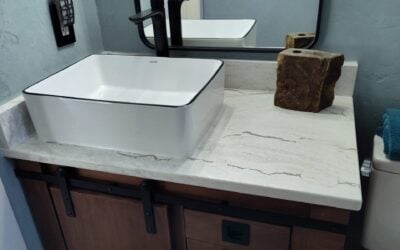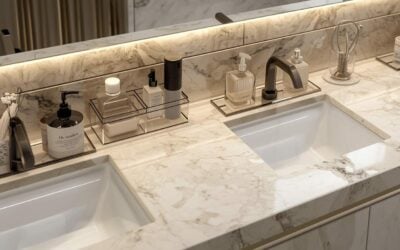
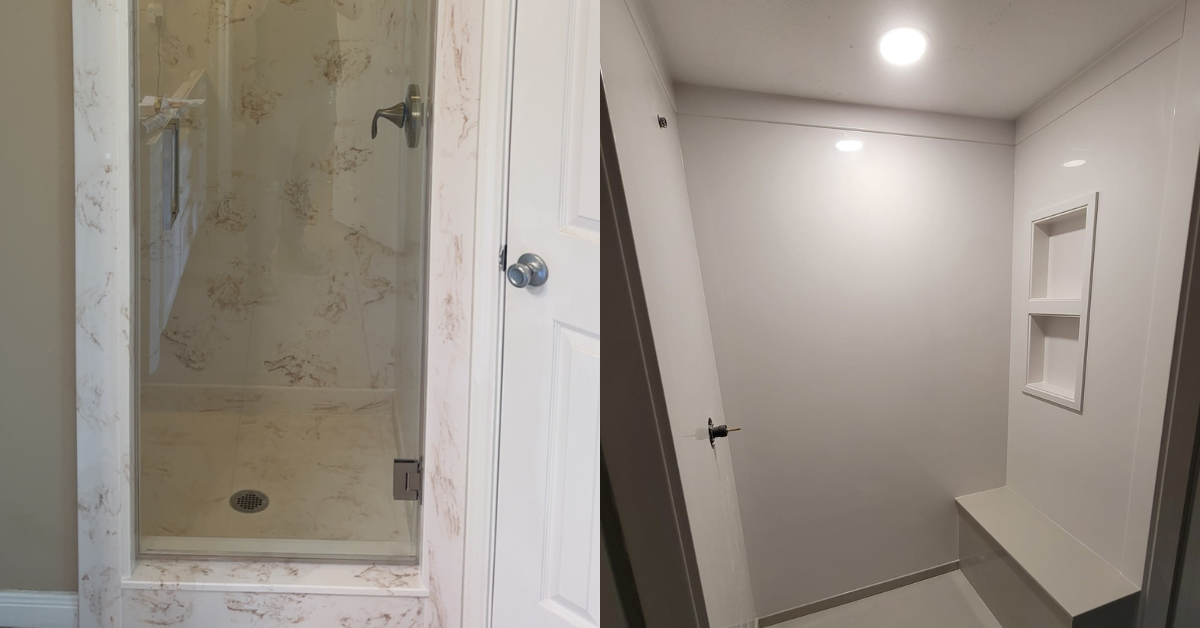
Choosing the right surface for your bathroom upgrade in Willis, Texas, can be challenging, especially when cultured marble and cultured granite offer similar benefits. Both provide the look of natural stone at a lower cost and work well for shower walls, vanities, and tub surrounds. The main differences come down to durability, appearance, and maintenance. This guide compares each to help you choose the best fit for your home.
Key Takeaways
- Cultured granite is typically more durable, while cultured marble is the more budget-friendly option
- Both materials are low-maintenance and easy to care for in bathroom settings
- Cultured marble offers a smooth, seamless appearance for a clean look
- Cultured granite provides a more textured, natural stone-like finish
- The best choice depends on your budget, style preferences, and how you use your space
Understanding Cultured Marble and Cultured Granite
If you want the look of natural stone without the high cost, cultured marble and cultured granite are strong options. These cast polymer products blend natural stone particles with resin to create surfaces that are both durable and easy to maintain.
Cultured marble is made by combining marble dust with resin, creating a smooth, polished, and seamless finish. It’s popular for its clean look and wide range of color options. Cultured granite uses crushed stone mixed with resin, giving it a more textured appearance that closely resembles natural granite.
Both materials offer the beauty of stone with added practicality, but the difference comes down to appearance and feel. Cultured marble delivers a sleek, uniform finish, while cultured granite provides more depth and texture, making each a solid choice for bathroom surfaces.
Cost Comparison: Cultured Marble vs Cultured Granite
Cost plays a major role in any bathroom renovation. Cultured marble is typically the more affordable option, offering a clean, polished look without stretching your budget. Cultured granite comes at a slightly higher price but provides added durability and a more natural, textured appearance. Installation costs are similar, though cultured marble can be less labor-intensive due to its lighter weight. Both materials are low maintenance, which helps keep long-term costs down and makes either one a practical investment for bathroom spaces.
| Feature | Cultured Marble | Cultured Granite |
| Material Cost | Lower, budget-friendly | Higher, premium feel |
| Installation Cost | Typically lower due to lighter weight | Slightly higher depending on complexity |
| Durability Value | Good for standard bathroom use | Higher durability for long-term use |
| Maintenance Cost | Low, no sealing required | Low, no sealing required |
| Overall Value | Cost-effective and stylish | Durable with a more natural stone look |
Ideal Use Cases for Cultured Marble
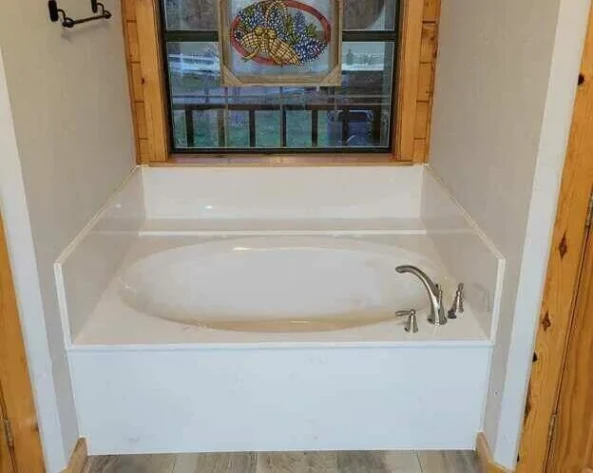
Cultured marble is especially well-suited for bathroom spaces where moisture, daily use, and easy cleaning are key concerns. Its non-porous surface resists water and stains, while its seamless design creates a clean, polished look that works with both traditional and modern styles. With a wide range of colors and customization options, it’s a practical and versatile choice for vanities, shower areas, and more. Cultured marble works best in bathrooms for:
- Vanities with integrated sinks for a seamless appearance
- Shower walls and surrounds that resist moisture buildup
- Bathtubs and tub surrounds for a cohesive design
- Spaces needing lightweight materials with flexible installation
- Custom designs that match existing colors, finishes, and layouts
Best Applications for Cultured Granite
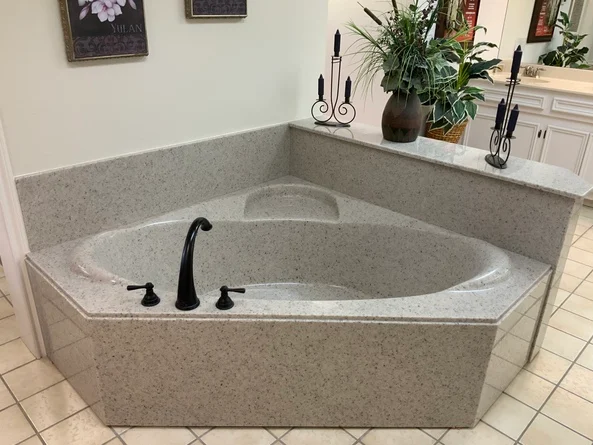
Cultured granite is a strong choice for spaces that see heavy daily use and need a balance of durability and style. Its scratch-resistant, low-maintenance surface makes it ideal for busy areas, while its textured, natural stone look adds visual depth to both indoor and outdoor designs. It performs especially well in kitchens and entertainment spaces where long-term durability matters. Cultured granite works best for:
- Kitchen countertops that handle frequent cooking and daily wear
- High-traffic prep areas where scratch resistance is important
- Outdoor kitchens and bar spaces exposed to changing weather
- Large surface installations that benefit from a natural stone look
- Home designs that prioritize durability with a more textured finish
Making the Right Choice for Your Willis, Texas Home
Choosing between cultured marble and cultured granite comes down to how you plan to use your space. Cultured marble is typically more budget-friendly and works well for most bathroom projects, while cultured granite offers added durability and a more natural stone look. Your decision should also factor in your design style, maintenance preferences, and overall budget.
Local conditions and everyday use in your home can also help guide your choice. Working with experienced local professionals ensures you get recommendations that fit your space and long-term needs.
Why Homeowners Choose R&D Marble
Homeowners choose R&D Marble for dependable craftsmanship, high-quality materials, and a streamlined process from selection to installation. Every project is guided by experience in custom stonework, with options that include cultured marble, cultured granite, quartz, granite, and natural stone. The goal is to help each customer find a surface that fits their space, style, and long-term needs without unnecessary complications.
With an in-house slab yard and full-service fabrication capabilities, every step stays under one roof for better consistency and control. Professional installers handle each project with precision, ensuring an accurate fit and clean finish on every bathroom or countertop installation. This approach helps deliver results that are both durable and visually cohesive.
From material selection to final installation, R&D Marble focuses on accuracy, communication, and long-lasting quality. Each project is carefully measured, designed, and approved before fabrication begins to ensure the final result matches the original vision. The result is a smoother experience for homeowners and a finished surface built to perform for years.
Cultured Marble vs Cultured Granite FAQ
Which is better, cultured marble or granite?
Choosing between cultured marble and granite depends on your needs. Cultured marble offers a sleek, modern look and is more affordable, making it great for bathrooms. It’s non-porous, which means it’s easy to clean and resistant to mold. Granite, on the other hand, provides a natural, luxurious appearance and is highly durable, ideal for kitchens. It withstands heat and scratches well. Consider your budget, style preference, and the room’s purpose to decide which material suits your home best.
What are the drawbacks of cultured marble?
While cultured marble is affordable and stylish, it does have its drawbacks. It can be prone to scratching and chipping compared to natural stone. Over time, it may also yellow or fade, especially if exposed to strong sunlight. Additionally, although it’s resistant to stains, harsh cleaners can damage its surface. Regular maintenance is necessary to keep it looking fresh, and it may not have the same resale value as natural stone.
What does vinegar do to granite?
Vinegar can damage granite surfaces. It’s acidic, which means it can etch and dull the stone over time. Regular use of vinegar can also weaken the sealant on granite, making it more susceptible to stains and scratches. For cleaning granite, it’s best to use pH-balanced cleaners specifically designed for natural stone. This approach helps maintain the stone’s shine and integrity.
Can you use scrubbing bubbles on a cultured marble shower?
Using Scrubbing Bubbles on cultured marble is not recommended. The product contains harsh chemicals that can damage the surface, leading to dullness or discoloration over time. Instead, opt for a gentle, non-abrasive cleaner specifically formulated for cultured marble. This ensures the longevity and appearance of your cultured marble shower, keeping it looking fresh and new.
What’s the difference between real and cultured marble?
Real marble is a natural stone, quarried and cut into slabs. It boasts unique veining and luxurious appeal but requires regular sealing and maintenance. Cultured marble, on the other hand, is man-made, crafted from a blend of crushed stone and resin. It’s non-porous, making it easier to maintain, and often more budget-friendly. However, it lacks the unique patterns of real marble and can be more prone to surface damage.
Cultured Marble vs Cultured Granite Surfaces
Cultured marble and cultured granite both provide durable, cost-effective solutions for bathroom vanities, shower surrounds, and tub areas. Cultured marble delivers a smooth, seamless finish with a clean and classic look, while cultured granite offers a more textured, natural stone appearance with added durability. Both options are low-maintenance and designed to handle daily moisture and use, making them practical choices for bathroom remodels.
As a trusted stone supplier and fabricator in Montgomery County, R&D Marble helps homeowners, builders, and remodelers select, fabricate, and install cultured marble and cultured granite surfaces with precision and care. With an in-house slab yard, detailed design process, and professional installation team, every project is managed from start to finish for consistent quality and long-lasting results.
Ready to upgrade your bathroom with durable, low-maintenance cultured marble or cultured granite surfaces? Contact us today to explore your options and request a free estimate.