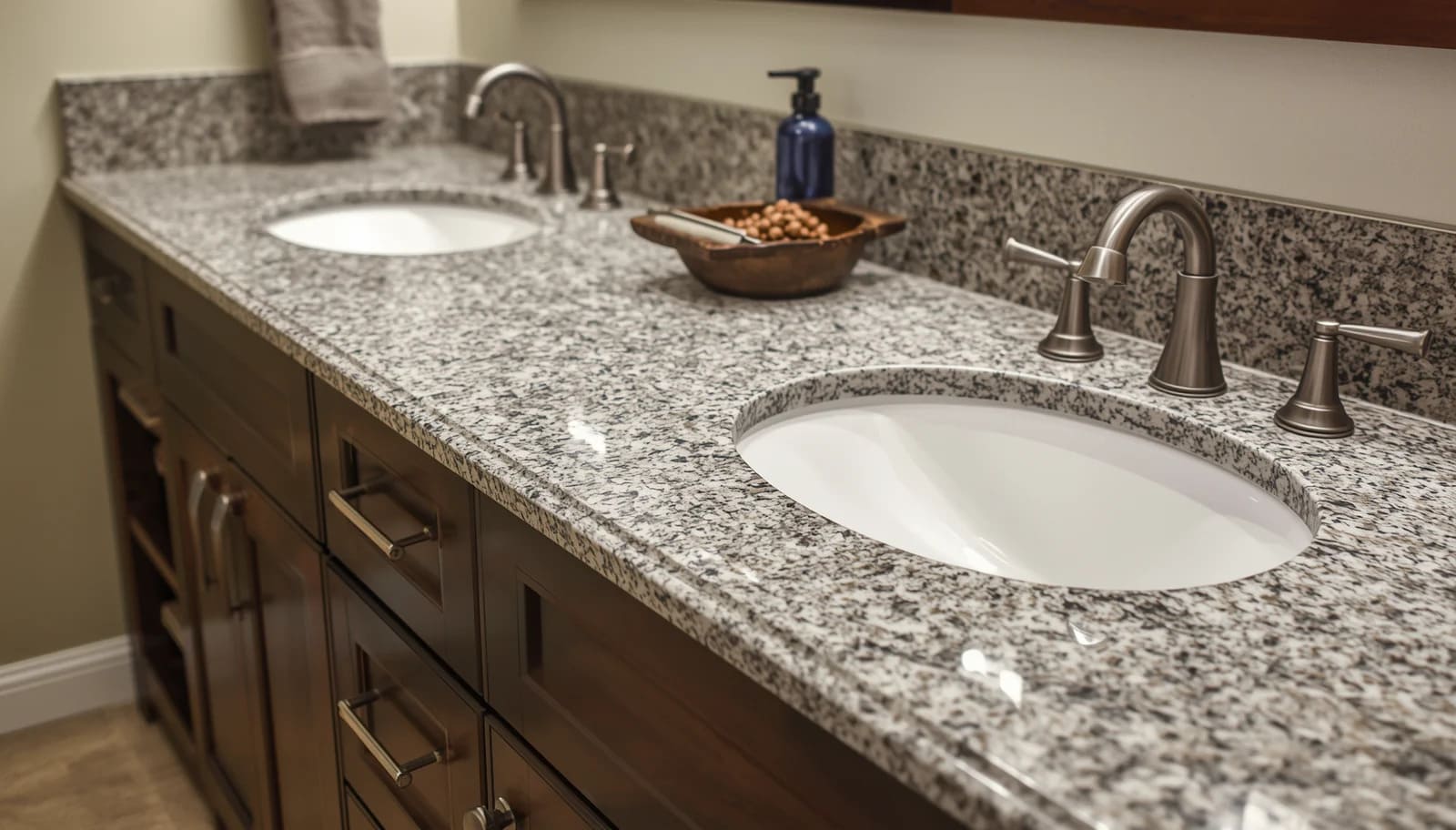
Granite-style countertops are a staple in high-end kitchens and bathrooms, but the cost and upkeep can be a barrier for many homeowners. Cultured granite countertops offer a practical alternative, delivering the same visual depth and natural stone appeal through an engineered surface designed for consistency and performance. These countertops combine durability, low maintenance, and design flexibility, making them an attractive option for anyone looking to upgrade their space without the ongoing demands of natural stone. As more homeowners turn to cultured granite for both function and style, it is worth understanding what sets this material apart and whether it is the right fit for your next renovation project.
Key Takeaways
- Cultured granite countertops offer a cost-effective alternative to natural stone
- They provide a wide variety of colors and patterns to suit any design preference
- These countertops are notably durable and low-maintenance
- The installation process for cultured granite is faster and simpler
- Cultured granite is a great option for both kitchens and bathrooms
How Cultured Granite Differs from Natural Granite
Choosing between cultured granite and natural granite comes down to how each material is made and how it performs in your home. Cultured granite is engineered using crushed stone and resins, creating a surface that closely resembles natural granite but with a more controlled and consistent finish. Natural granite, on the other hand, is quarried from the earth, which gives it unique variations in color and veining that cannot be replicated.
| Feature | Cultured Granite | Natural Granite |
| Composition | Engineered (stone particles + resin) | 100% natural stone |
| Appearance | Uniform, consistent | Unique, natural variations |
| Customization | Highly customizable colors and patterns | Limited to available slabs |
| Weight | Lighter, easier to handle | Heavier, requires more support |
| Cost | More budget-friendly | Typically more expensive |
| Installation | Easier and faster | More labor-intensive |
| Maintenance | Non-porous, low maintenance | Porous, requires periodic sealing |
For homeowners, these differences often come down to priorities. If you want a predictable look, lower cost, and easier maintenance, cultured granite offers a practical solution. If you prefer one-of-a-kind natural beauty and don’t mind the upkeep, natural granite may be the better fit.
Exploring the Benefits of Cultured Granite
Cultured granite countertops are designed to handle daily use while maintaining their appearance over time. Their engineered composition creates a durable, low-maintenance surface that works well in busy kitchens and bathrooms without sacrificing style. Key benefits of cultured granite include:
- Scratch and stain resistance: Holds up well against everyday wear in high-traffic areas
- Seamless design options: Larger slab production allows for fewer seams and a cleaner look
- Budget-friendly: Offers the appearance of natural stone at a more accessible price point
- Non-porous surface: Resists bacteria and stains, making cleaning simple and hygienic
- Customizable design: Available in a wide range of colors and patterns to match your space
Overall, cultured granite provides a practical balance of durability, affordability, and design flexibility. It’s a strong option for homeowners who want the look of natural stone without the added maintenance or cost.
Comparing Cultured Marble and Cultured Granite
Cultured marble and cultured granite are both engineered surfaces, but they perform differently depending on how and where they’re used. While each offers a polished look and easier upkeep than natural stone, cultured granite stands out for its durability, heat resistance, and more natural stone-like appearance, making it a stronger choice for high-use areas like kitchens.
| Feature | Cultured Granite | Cultured Marble |
| Durability | Highly durable, resists wear and tear | Less durable, more prone to scratches |
| Appearance | Mimics natural stone texture closely | Smoother, more uniform finish |
| Heat Resistance | Handles heat better | Less heat-resistant |
| Color Variety | Wide range of colors and patterns | More limited design options |
| Maintenance | Low maintenance, resists damage | Requires more care to prevent wear |
| Best Use | Kitchens, high-traffic areas | Bathrooms, lower-traffic spaces |
For homeowners deciding between the two, the choice often depends on function as much as style. Cultured marble can work well in bathrooms or decorative spaces, while cultured granite is better suited for areas that demand long-term durability and performance.
Durability and Maintenance of Cultured Granite Countertops
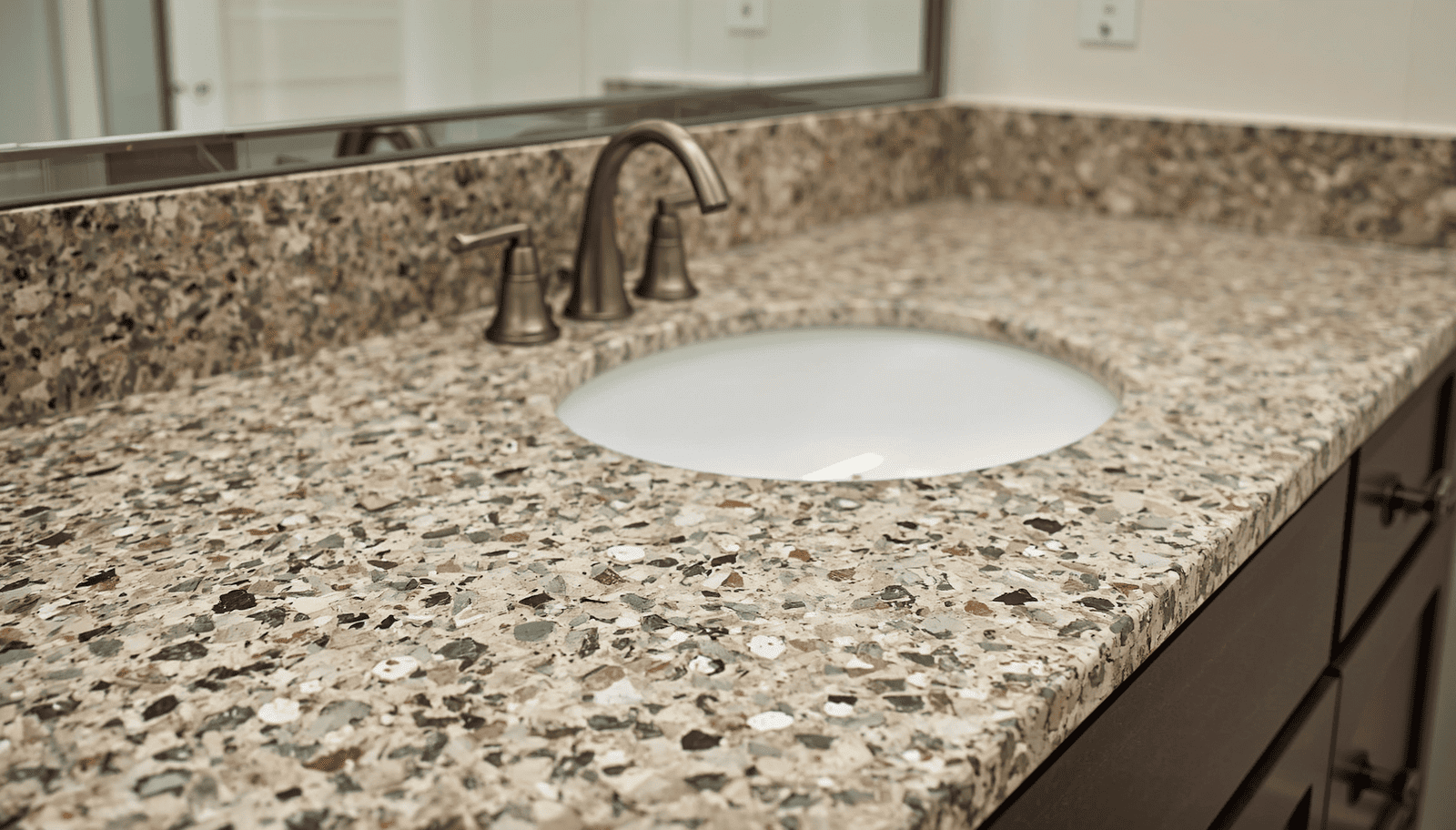
Cultured granite countertops are built to handle the demands of everyday use without losing their appearance. Their engineered surface resists scratches, stains, and general wear, making them a dependable option for busy kitchens and bathrooms. Whether used for food prep or daily routines, they maintain their finish over time.
Keeping cultured granite clean is simple thanks to its non-porous surface, which helps prevent bacteria and stains from settling in. Routine care does not require specialized products or time-consuming upkeep. To keep your countertops in top condition:
- Clean regularly with mild soap and water
- Wipe up spills promptly to maintain the finish
- Avoid harsh or abrasive cleaners that can dull the surface
- Use trivets or pads for hot items to preserve longevity
Unlike natural stone, cultured granite rarely needs sealing, which reduces long-term maintenance and cost. Many products also come with warranties, offering added confidence in their durability and performance.
#image_title
The Installation Process for Cultured Granite Countertops
Installing cultured granite countertops is a streamlined process, especially when handled by experienced professionals. Its lighter weight compared to natural stone makes it easier to transport, position, and secure, which helps reduce installation time. A typical installation process includes:
- Measuring and preparing the space for an accurate fit
- Cutting the countertop to match the layout and dimensions
- Positioning and aligning the slab for proper placement
- Securing the surface with adhesives for long-term stability
- Finishing edges and seams for a clean, polished look
Because the process is more efficient than installing natural stone, homeowners can often complete upgrades faster with less disruption. With proper installation, cultured granite countertops deliver lasting performance while enhancing the overall look and functionality of the space.
Why Homeowners Choose R&D Marble
Homeowners choose R&D Marble because we bring decades of experience, consistent craftsmanship, and a strong commitment to quality in every project we take on. Our team works closely with each client to ensure countertops are measured, fabricated, and installed with precision, so the final result is both durable and visually refined. From the first selection of materials to the final installation, we focus on delivering dependable results that stand up to everyday use.
We also make the process more seamless by offering a full-service approach under one roof. With our in-house slab yard, detailed CAD design process, and professional installation team, we’re able to keep projects organized, efficient, and accurate from start to finish. Our wide selection of materials allows homeowners to find the right style for their space while maintaining the level of quality and performance they expect.
Cultured Granite Countertops FAQ
What is the difference between granite and cultured granite?
Granite is a natural stone quarried from the earth, known for its unique patterns and durability. Cultured granite, on the other hand, is a man-made material crafted from a blend of crushed stone, resin, and pigments. While granite offers a one-of-a-kind appearance, cultured granite provides a consistent look and can be molded into various shapes. It’s often more affordable and can mimic the appearance of natural granite while offering additional customization options.
What is cultured granite made of?
Cultured granite is crafted from a mixture of crushed natural stone, polyester resin, and pigments. These components are combined to create a moldable material that mimics the appearance of natural granite. The blend is poured into molds, allowing for a wide range of shapes and designs. This process not only offers versatility but also ensures a consistent finish, making it a popular choice for countertops and other surfaces.
What are cultured granite countertops, and how are they made?
Cultured granite countertops are surfaces made from a blend of crushed stone, resin, and pigments designed to mimic natural granite. The mixture is poured into molds, allowing for various shapes and sizes. Once set, the countertops are polished to achieve a smooth, glossy finish. This manufacturing process offers a uniform appearance and allows for customization in terms of color and design, providing a versatile option for kitchens and bathrooms.
How do cultured granite countertops compare to natural stone options?
Cultured granite countertops offer a consistent look and more design flexibility compared to natural stone. They are generally more affordable and require less maintenance since they are non-porous and resistant to stains. While natural stone provides a unique, one-of-a-kind appearance, cultured granite offers the durability and aesthetic appeal of stone with added benefits like easier installation and a wider range of colors and patterns.
Are cultured granite countertops a good choice for commercial spaces?
Yes, cultured granite countertops are an excellent choice for commercial spaces. They offer durability and resistance to stains and scratches, making them ideal for high-traffic areas. The affordability and ease of maintenance also make them a practical choice for businesses. Additionally, their customizable design options allow for a tailored look that can fit the aesthetic needs of any commercial setting, from restaurants to office buildings.
Cultured Granite Countertops: Durable, Affordable Surfaces for Modern Homes
Cultured granite countertops offer a strong balance of affordability, durability, and style, making them a practical choice for kitchens and bathrooms. Their engineered surface provides a consistent, low-maintenance finish that resists stains and everyday wear while still delivering the look of natural stone. With a wide range of colors and patterns available, they make it easy to achieve a cohesive, polished design.
As a trusted stone supplier and fabricator in Montgomery County, R&D Marble helps homeowners, builders, and remodelers select, fabricate, and install cultured granite countertops with precision and care. With an in-house slab yard, detailed design process, and professional installation team, every project is managed from start to finish.
Ready to upgrade your kitchen or bathroom with durable, low-maintenance cultured granite countertops? Contact us today to explore your options and request a free estimate.