Choosing the right countertop can transform your kitchen, adding beauty, functionality, and lasting value to your home. Two popular options, quartzite and quartz, offer distinctive appearances and benefits, but their differences can make one a better fit for your space and lifestyle. From natural stone patterns and durability to maintenance requirements and cost, understanding what each material brings to the table can help you make a confident decision. Let’s explore how quartzite and quartz countertops compare so you can find the right option for your kitchen.
Key Takeaways
- Quartzite is a natural stone known for its unique patterns, natural variations, and exceptional hardness
- Quartz is an engineered surface that offers consistent designs, customizable colors, and low maintenance
- Quartzite generally provides greater heat and scratch resistance, while quartz offers excellent stain resistance
- Both materials are durable countertop options with distinct advantages for different kitchens and lifestyles
- Quartzite requires periodic sealing, while quartz does not require routine sealing or extensive upkeep
The Formation and Composition of Quartzite Countertops
Quartzite countertops are natural stone surfaces formed over millions of years as sandstone undergoes intense heat and pressure beneath the Earth’s crust. This metamorphic process creates a dense, crystalline structure made primarily of interlocking quartz grains bonded by silica. Known for their exceptional hardness and natural beauty, quartzite slabs offer several distinctive characteristics:
- Durability: Quartzite is one of the hardest natural stones, offering excellent resistance to scratches and everyday wear.
- Natural variations: Each slab features unique veining, patterns, and color variations that cannot be replicated.
- Color diversity: Mineral content influences the stone’s appearance, creating shades of white, gray, pink, red, green, blue, and gold.
- One-of-a-kind appearance: No two slabs are exactly alike, making quartzite an appealing choice for homeowners seeking a distinctive natural stone surface.
How Quartz Countertops Are Made
Unlike natural quartzite, quartz countertops are engineered surfaces made by combining crushed natural quartz with resins, pigments, and other materials. This manufacturing process creates a durable, non-porous surface with consistent patterns and extensive design options. Some of the key characteristics of quartz countertops include:
- Customizable designs: Pigments and manufacturing techniques allow for a wide range of colors, patterns, and styles.
- Non-porous surface: Quartz resists staining because liquids cannot easily penetrate its surface.
- Consistent appearance: Engineered production creates uniform colors and patterns without the natural variations found in stone.
- Low maintenance: Quartz does not require routine sealing, making it a convenient option for busy households.
- Modern appeal: Its sleek appearance and design flexibility make it suitable for a variety of kitchen styles.
Quartz vs Quartzite: Key Differences in Appearance
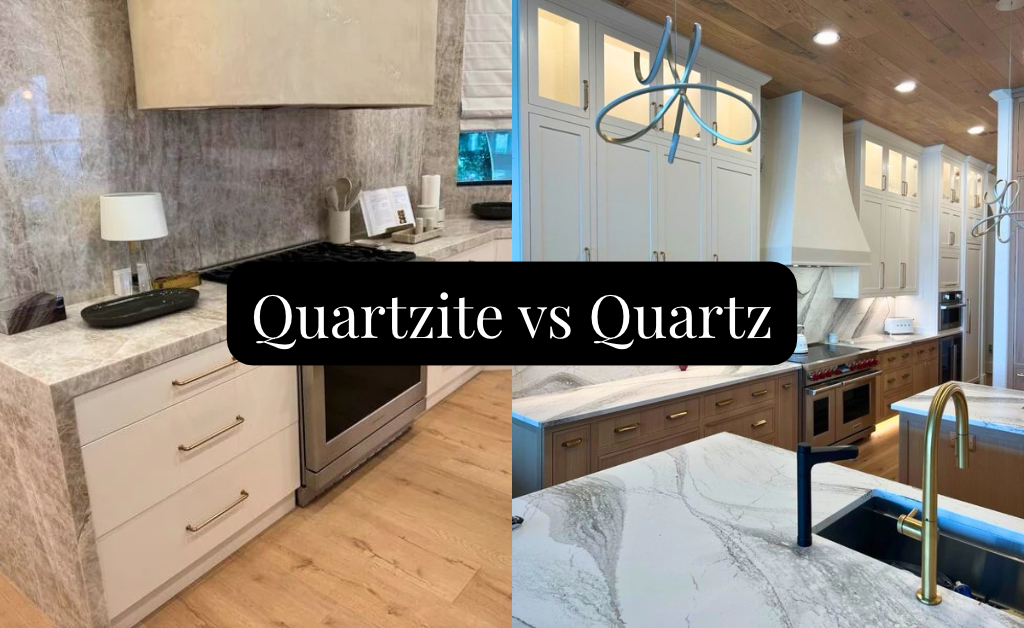
Quartz and quartzite countertops offer distinct visual characteristics that can influence your kitchen’s overall design. Quartzite features natural variations, intricate veining, and earthy tones that create a timeless, one-of-a-kind appearance. Quartz, on the other hand, offers greater consistency and customization, with a wide selection of colors and patterns to complement different design styles. Here’s how the two materials compare in appearance:
| Appearance Feature | Quartzite | Quartz |
| Overall look | Natural, organic, and elegant | Sleek, polished, and versatile |
| Patterns | Unique veining and natural variations | Consistent patterns and engineered designs |
| Color options | Natural shades of white, gray, beige, pink, green, and blue | Extensive color selection, including neutrals and bold shades |
| Veining | Naturally occurring, often resembling marble | Manufactured veining that can mimic natural stone |
| Consistency | Each slab has distinct patterns and markings | More uniform appearance across slabs |
| Design style | Ideal for traditional, rustic, and luxury spaces | Works well in modern, contemporary, and transitional kitchens |
Comparing the Durability of Quartzite and Quartz Countertops
Both quartzite and quartz countertops offer excellent durability, making them suitable choices for busy kitchens. However, their resistance to scratches, heat, and everyday wear differs because of how each material is formed. Understanding these differences can help you determine which surface best meets your household’s needs.
Quartzite: Superior Hardness and Heat Resistance
Quartzite is a naturally hard stone that offers excellent resistance to scratches and everyday wear. It also withstands higher temperatures than engineered quartz, making it a practical option for kitchens where cooking is frequent. However, quartzite can still chip or crack under significant impact and should be properly sealed to protect against staining.
Quartz: Durable and Stain Resistant
Quartz countertops are engineered for durability, with a non-porous surface that resists stains and makes everyday cleaning easier. Although they are less heat resistant than quartzite, they hold up well to regular kitchen use. To prevent discoloration or damage, homeowners should use trivets or heat pads rather than placing hot cookware directly on the surface.
Maintenance and Care: Quartzite vs Quartz Countertops
Both quartzite and quartz countertops can maintain their beauty for years with proper care, but their maintenance requirements differ. Quartzite needs periodic sealing to protect its porous surface from moisture and stains, while engineered quartz requires less upkeep because of its non-porous composition. Knowing how to care for each material can help you preserve its appearance and extend its lifespan.
Quartzite: Regular Sealing and Gentle Cleaning
Quartzite countertops require periodic sealing to prevent liquids from penetrating the surface and causing stains. Clean spills promptly and use a mild soap or stone-safe cleaner with a soft cloth for routine maintenance. Avoid harsh chemicals and abrasive cleaning products that could damage the stone or its finish.
Quartz: Simple, Low-Maintenance Care
Quartz countertops are easier to maintain because their non-porous surfaces do not require routine sealing. Regular cleaning with mild soap, water, and a soft cloth is typically sufficient to remove everyday dirt and spills. Avoid abrasive cleaners and excessive heat to help preserve the countertop’s finish and appearance.
Quartzite vs Quartz Countertops FAQ
Can quartzite countertops increase your home’s resale value?
High-quality natural stone countertops can make a kitchen more appealing to potential buyers. Quartzite’s distinctive appearance and durability may add to your home’s overall appeal, particularly in kitchens with updated finishes and thoughtful designs. However, the impact on resale value depends on local market conditions, buyer preferences, and the quality of the overall renovation.
Can quartzite and quartz countertops be used in bathrooms?
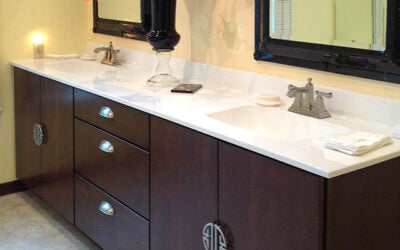
Yes, both materials are suitable for bathroom applications, including vanity countertops and other interior surfaces. Quartzite offers a natural stone appearance that complements a variety of bathroom designs, while quartz provides consistent patterns and versatile color options. Consider moisture exposure, maintenance requirements, and your preferred aesthetic when selecting a material.
Are quartzite and quartz countertops available in different finishes?
Yes, both materials can be found in different finishes that influence their overall appearance. Polished finishes create a smooth, reflective surface, while honed finishes offer a softer, matte appearance. Leathered finishes provide a textured look that can add visual interest and dimension to your space, depending on the material and manufacturer.
Can quartzite and quartz countertops be customized to fit unique kitchen layouts?
Both materials can be fabricated to accommodate different kitchen layouts, including islands, L-shaped countertops, and custom edges. Professional fabricators can cut slabs to fit your measurements and create openings for sinks, cooktops, and other fixtures. Because natural quartzite slabs have unique patterns, careful slab selection and layout planning are especially important for achieving a cohesive appearance.
Do quartzite and quartz countertops work with outdoor kitchens?
Quartzite is generally better suited for outdoor kitchens because natural stone can withstand prolonged sun exposure and temperature fluctuations when properly selected and installed. Standard engineered quartz is typically intended for indoor use because prolonged UV exposure can cause discoloration or fading. If you’re designing an outdoor kitchen, consult a countertop professional about suitable materials and the specific conditions of your installation.
Choosing Between Quartzite and Quartz Countertops
Choosing between quartzite and quartz countertops depends on your design preferences, durability expectations, and maintenance needs. Quartzite offers the natural beauty and unique patterns of stone, while engineered quartz provides consistent designs, versatile color options, and easy maintenance. Understanding the differences between these materials can help you select a countertop that complements your kitchen and fits your lifestyle.
As a trusted stone surface provider in Willis, we help homeowners, builders, and businesses explore quality countertop materials for their projects. From natural stone to engineered surfaces, our team provides personalized guidance, professional fabrication, and installation to help bring your vision to life.
Ready to find the right countertop material for your kitchen? Contact us today to discuss your project and explore our countertop solutions.