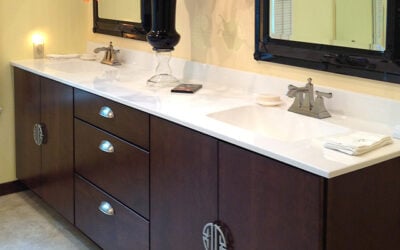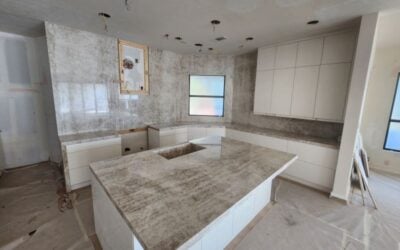
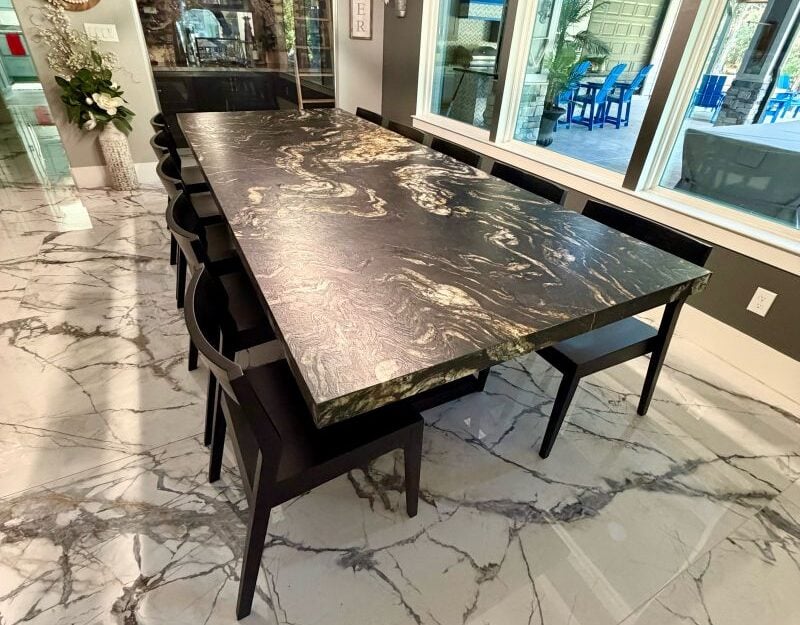
Granite is a popular choice for countertops, bathroom surfaces, and other applications, but not all granite surfaces are made the same way. Natural granite is quarried from the earth, while cultured granite is a manufactured surface designed to provide a consistent appearance and practical performance.
Understanding the differences between these materials can make it easier to determine which option fits your project, preferences, and maintenance expectations. This guide compares cultured granite and natural granite based on appearance, durability, maintenance, customization, and cost.
Key Takeaways
- Cultured and natural granite are made using different processes
- Each material offers distinct appearance and design characteristics
- Maintenance requirements can vary between the two materials
- Both options can provide durable surfaces when properly selected and cared for
- Project needs, design preferences, and budget can help determine the right choice
What Is Cultured Granite?
Cultured granite is a manufactured surface designed to resemble natural granite. It is typically made by combining mineral fillers, resin, and pigments in a mold to create a specific color, pattern, and shape. This controlled process allows for a more consistent appearance. As a type of cast polymer surface, cultured granite is commonly used for bathroom vanities, countertops, and other interior applications, depending on the product.
Unlike natural granite, which is quarried from the earth, cultured granite is manufactured. This distinction affects each material’s appearance, composition, maintenance needs, and suitable applications.
What Is Natural Granite?
Natural granite is an igneous rock formed when magma cools beneath the Earth’s surface. Minerals such as quartz, feldspar, and mica give granite its distinctive colors, textures, and patterns. Granite is quarried in large blocks and cut into slabs for fabrication. These slabs can be shaped, polished, and cut to fit applications such as kitchen countertops and bathroom vanities.
Because granite forms naturally, each slab has its own combination of colors, speckles, and mineral patterns. Even slabs from the same quarry can look different, making natural granite a distinctive choice for homeowners who appreciate the character of natural stone.
Cultured Granite vs. Natural Granite: At a Glance
Cultured granite and natural granite can both be used for countertops and other interior surfaces, but they differ in composition, appearance, maintenance, and manufacturing. Cultured granite is a manufactured surface designed for consistency, while natural granite is quarried stone with naturally occurring variations. Comparing their key characteristics can help you determine which material best suits your project.
| Feature | Cultured Granite | Natural Granite |
| Origin | Manufactured using mineral fillers, resin, and pigments | Igneous rock quarried from the earth |
| Appearance | Offers controlled colors and patterns | Features naturally occurring colors and mineral patterns |
| Pattern consistency | Typically provides a more consistent appearance | Varies between slabs and sometimes within the same slab |
| Maintenance | Generally easy to clean and maintain according to product guidelines | May require periodic sealing and other care, depending on the stone |
| Porosity | Typically non-porous | Porosity varies, and some granite may benefit from sealing |
| Customization | Can be manufactured in specific colors, patterns, and shapes | Selection depends on available slabs and fabrication options |
| Durability | Suitable for intended applications when properly maintained | Generally durable and resistant to everyday wear, though performance varies |
| Cost | Depends on the product, fabrication, and installation | Depends on stone type, slab selection, fabrication, and installation |
Appearance and Design Differences
Cultured granite and natural granite offer different visual characteristics that can influence the overall look of a room. Cultured granite provides greater control over color and pattern consistency, while natural granite features mineral variations and patterns formed over time. The right choice often comes down to whether you prefer a coordinated, consistent design or the unique character of natural stone.
Cultured granite offers several design advantages:
- Consistent appearance: Manufactured surfaces can provide a more uniform color and pattern across the finished product
- Color options: Pigments and manufacturing techniques allow for a range of colors and visual styles
- Pattern control: Patterns can be designed to achieve a specific look rather than relying on naturally occurring mineral formations
- Coordinated design: Consistency can make it easier to create a cohesive appearance across compatible surfaces
- Design flexibility: Molding allows manufacturers to create products in specific shapes and configurations for intended applications
Natural granite has distinct visual characteristics of its own:
- Unique mineral patterns: Naturally occurring minerals create speckles, veins, and variations in color
- Natural variation: Patterns and tones can differ throughout the stone
- Slab selection: Buyers can select from available slabs to find a look that suits their project
- Individual character: Each slab has its own appearance, and separate slabs may differ even when sourced from the same variety of granite
Durability and Performance
Both cultured granite and natural granite can provide durable surfaces when properly installed and used for suitable applications. However, their performance depends on the specific product, its composition, and how well it is maintained.
Consider these factors when comparing the two materials:
- Everyday wear: Both can handle normal use, depending on the product and finish
- Applications: Cultured granite is common for bathroom vanities, while natural granite is often used for kitchen countertops and other surfaces
- Heat resistance: Natural granite generally tolerates heat well, but sudden temperature changes can cause damage. Cultured granite has product-specific heat limits
- Impact and scratches: Natural granite resists scratches but can chip or crack. Cultured granite’s resistance varies by product
- Installation and care: Proper installation and following the manufacturer’s care recommendations help preserve both materials’ appearance and performance
Maintenance and Care
Cultured granite and natural granite both benefit from regular cleaning, but their maintenance needs differ. Cultured granite is typically non-porous and easy to maintain, while some natural granite surfaces require periodic sealing to help prevent staining. To care for each material, keep these tips in mind:
Cultured granite:
- Routine cleaning: Use a soft cloth and a manufacturer-approved mild cleaner
- Surface protection: Avoid abrasive cleaners and harsh chemicals that could damage the finish
- Low maintenance: Regular cleaning is generally sufficient
Natural granite:
- Routine cleaning: Use a cleaner suitable for natural stone
- Sealing: Seal the surface when recommended to help reduce liquid absorption and staining
- Specific care: Follow the supplier’s recommendations based on the stone’s properties and finish
Customization and Installation
Cultured granite is manufactured using molds, pigments, and other materials, allowing for controlled colors, patterns, shapes, and dimensions. Customization options, such as edge styles and sink configurations, depend on the product and its intended application.
Natural granite is customized through slab selection and professional fabrication. Homeowners can choose their preferred color and pattern, then select suitable dimensions, edge profiles, and fixture cutouts. Both materials require proper fabrication and installation to ensure a good fit and lasting performance.
How R&D Marble Can Help You Choose
R&D Marble offers stone surfaces for residential projects and can help customers explore material options based on their design preferences and practical needs. When comparing cultured granite and natural granite, consider the desired appearance, maintenance requirements, intended application, and available customization options before making a decision.
With experience in stonework since 1979, R&D Marble helps customers evaluate surface options for their projects. Whether you prefer the consistency of a manufactured surface or the natural variation of quarried stone, discussing your project requirements with the team can help you identify an option that fits your space and design goals.
Which Is Better: Cultured Granite or Natural Granite?
Neither cultured granite nor natural granite is automatically the better choice for every project. The right option depends on your design preferences, intended application, maintenance expectations, and budget. Comparing the benefits of each material can help you determine which one aligns with your priorities.
Cultured granite may be a good fit for homeowners who prioritize:
- Consistent appearance: A more uniform color and pattern across the finished surface
- Design flexibility: Manufactured colors, patterns, and configurations suited to specific applications
- Easy maintenance: A typically non-porous surface that requires routine cleaning and minimal upkeep
- Coordinated surfaces: A consistent look that complements other design elements
- Customization options: Manufactured shapes and dimensions for appropriate projects
Natural granite may be a good fit for homeowners who prioritize:
- Natural stone: A quarried material formed through geological processes
- Unique patterns: Naturally occurring mineral formations, speckles, and veining
- Individual slab variation: Distinctive colors and patterns that make each slab different
- Traditional natural-stone aesthetics: An authentic stone appearance with natural variation
Ultimately, the best choice depends on how you want the finished surface to look and function. Consider the project’s design, intended use, maintenance requirements, customization needs, and overall budget before deciding which material is right for your space.
Cultured Granite vs Natural Granite FAQ
What is the difference between cultured granite and natural granite?
Cultured granite is a manufactured surface made with mineral fillers, resin, and pigments, while natural granite is quarried stone formed through geological processes. Cultured granite typically offers a more consistent appearance, while natural granite features unique mineral patterns and variations. Their maintenance needs, customization options, and suitable applications can also differ.
Does cultured granite require sealing?
Cultured granite typically does not require sealing because its surface is generally non-porous. However, care requirements can vary by product, so it’s important to follow the manufacturer’s recommendations. Using approved cleaning products can help preserve the surface and finish.
Is natural granite harder to maintain than cultured granite?
Natural granite may require additional maintenance, depending on its porosity and finish. Some varieties benefit from periodic sealing to help prevent staining, while others may need less intervention. Cultured granite is generally easier to maintain with routine cleaning, but both materials should be cared for according to their specific product guidelines.
Is cultured granite less expensive than natural granite?
The cost of cultured granite compared with natural granite depends on the specific product, fabrication, installation, and project requirements. Natural granite prices can vary significantly based on the stone’s variety and availability. Comparing quotes for the materials and installation involved is the best way to determine which option fits your budget.
Which is better for a bathroom, cultured granite or natural granite?
Both materials can be suitable for bathroom applications, depending on the product and intended use. Cultured granite is often chosen for its consistent appearance and relatively low-maintenance surface, while natural granite offers distinctive patterns and natural variation. Natural granite’s maintenance needs depend on the specific stone and its porosity, so ask your supplier whether sealing or other care is recommended.
Choosing Between Cultured and Natural Granite
Cultured granite and natural granite offer different benefits depending on your project needs. Cultured granite provides a consistent appearance and generally easy maintenance, while natural granite offers unique patterns and the character of quarried stone. Consider each material’s durability, customization options, maintenance requirements, and cost when deciding which is right for your space.
With experience in quality stonework since 1979, we can help you explore surface options for your project. Whether you’re considering cultured granite or natural stone, our team can help you evaluate your choices based on your design preferences, intended application, and budget.
Ready to explore your options? Contact us to request a free estimate and discuss the right surface for your project.