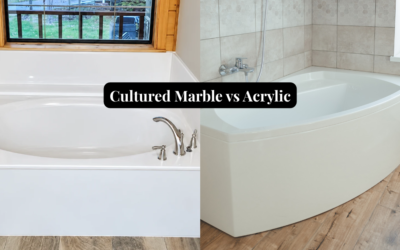
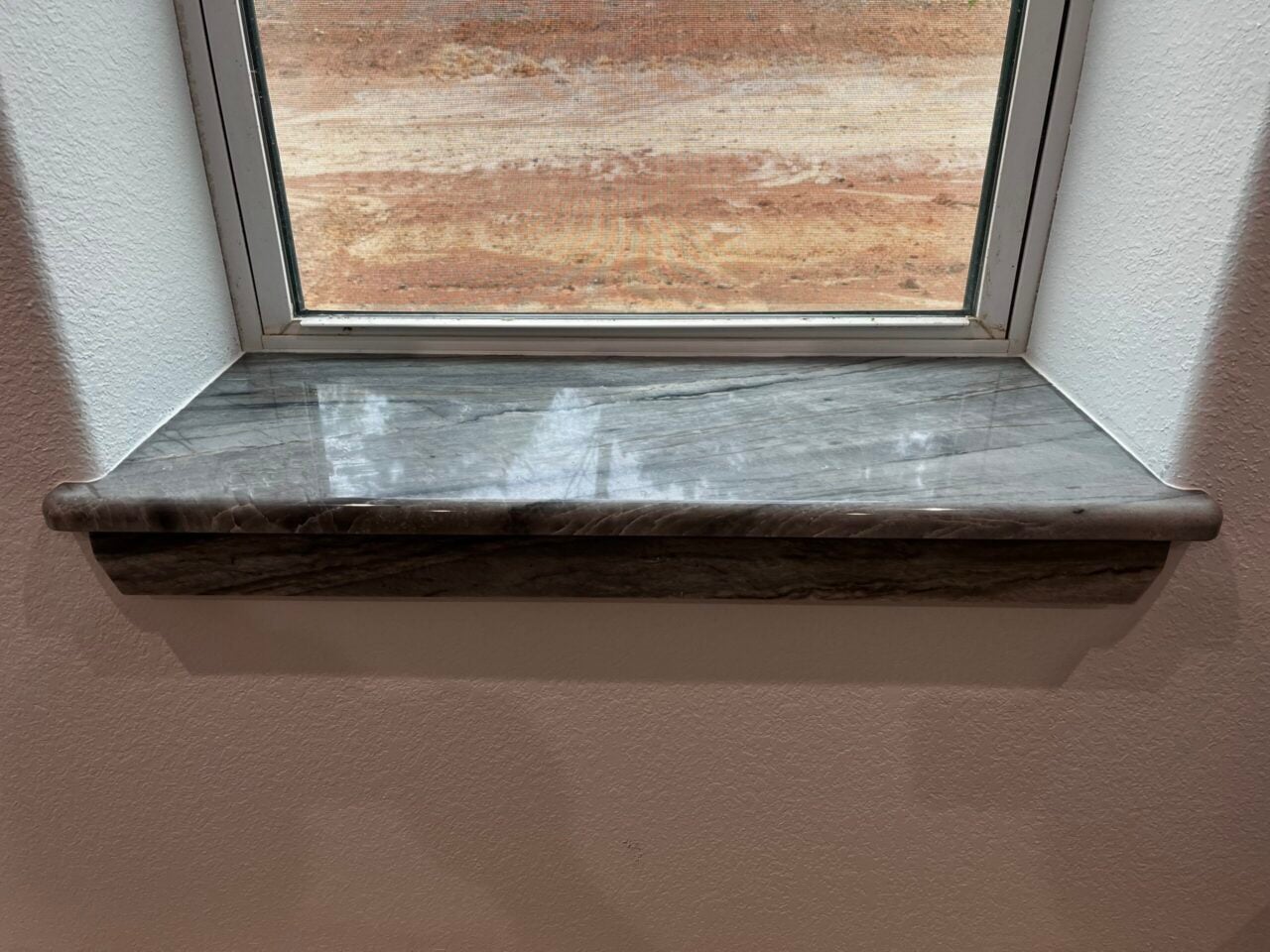
Interior window sills may seem like a small design detail, but the right material can make a noticeable difference in your home’s appearance and functionality. From natural stone to cultured marble and other custom-fabricated surfaces, stone window sills offer an attractive way to add durability, character, and a polished finish to any room. With a variety of materials, colors, and customization options available, homeowners can find a solution that complements their interior design while meeting their practical needs. Whether you’re updating a single room or planning a larger renovation, exploring your stone windowsill options can help you create a more cohesive and refined space.
Key Takeaways
- Stone window sills offer durability and timeless appeal
- Options include natural stone, cultured products, quartz, and porcelain
- Materials vary in maintenance and moisture resistance
- Custom fabrication ensures a precise fit and finish
- Professional installation creates a polished look
Key Benefits of Stone Window Sills
Stone window sills offer a combination of durability, visual appeal, and practical functionality that makes them an attractive choice for interior spaces. Available in materials such as natural stone, cultured marble, and other fabricated surfaces, they can complement a variety of home styles while providing a finished look around windows. Whether you’re updating a single room or incorporating custom stonework into a larger renovation, the right window sill material can enhance both the appearance and usability of your space.
Durability and Longevity
One of the main advantages of stone window sills is their durability. Unlike traditional wood sills, which can warp, swell, or deteriorate when exposed to moisture, many stone and stone-based surfaces offer greater resistance to everyday wear. Cultured marble, for example, provides a durable, nonporous surface that works particularly well in areas where humidity and occasional moisture are concerns. With appropriate care, a quality stone window sill can maintain its appearance for years.
Moisture Resistance and Easy Maintenance
Windows can be exposed to condensation, humidity, and occasional water accumulation, making material selection important. Cultured marble and other nonporous surfaces are easy to clean and do not require the same upkeep as many traditional materials. Maintenance requirements vary by material, particularly with natural stone, which may require periodic sealing depending on the type.
Versatile Colors, Patterns, and Finishes
Stone window sills are available in a range of colors, patterns, and finishes, making it easier to coordinate them with existing countertops, flooring, wall surfaces, and other interior features. Natural stone offers distinctive variations and veining, while cultured marble provides customizable colors and patterns. These options allow homeowners to achieve anything from a classic, understated appearance to a more contemporary design.
Custom Fabrication and Sizing
Every window opening has different dimensions and design requirements. Custom fabrication allows stone window sills to be measured and cut to fit the space, creating a more cohesive finished appearance. Homeowners can also explore different thicknesses, edge profiles, and finishes to complement their interiors. Working with an experienced fabricator helps ensure the selected material and design meet the project’s requirements.
A Polished, Finished Appearance
A stone window sill can provide a clean transition between the window and surrounding wall surfaces. Its smooth, finished appearance adds visual interest without overwhelming the rest of the room. Whether paired with natural stone countertops, cultured marble bathroom surfaces, or other custom interior features, a coordinating window sill can help bring the overall design together.
Durability and Longevity of Stone Window Sills
When choosing materials for your home, durability is an important consideration. Stone window sills offer a sturdy, attractive surface that can withstand everyday use while maintaining a polished appearance. Depending on the material, they can also provide added resistance to moisture, staining, and general wear, making them a practical alternative to traditional wood window sills. Some of the durability benefits of stone window sills include:
- Resistance to everyday wear: Stone surfaces provide a durable foundation for everyday use, including supporting decorative pieces, plants, and other household items. Scratch and impact resistance vary by material, so it’s important to consider how the sill will be used when selecting a surface.
- Moisture and stain protection: Nonporous materials such as cultured marble help prevent water absorption and make routine cleaning easier. This can be especially beneficial around windows where condensation may collect. Some natural stone varieties require periodic sealing for additional protection.
- Long-term performance: With appropriate material selection, professional fabrication, and proper care, stone window sills can maintain their appearance and functionality for years.
- Custom fit and finish: Custom fabrication allows each sill to be measured and finished to suit its specific window opening, creating a cohesive appearance that complements the surrounding interior.
Comparing Materials for Interior Stone Window Sills
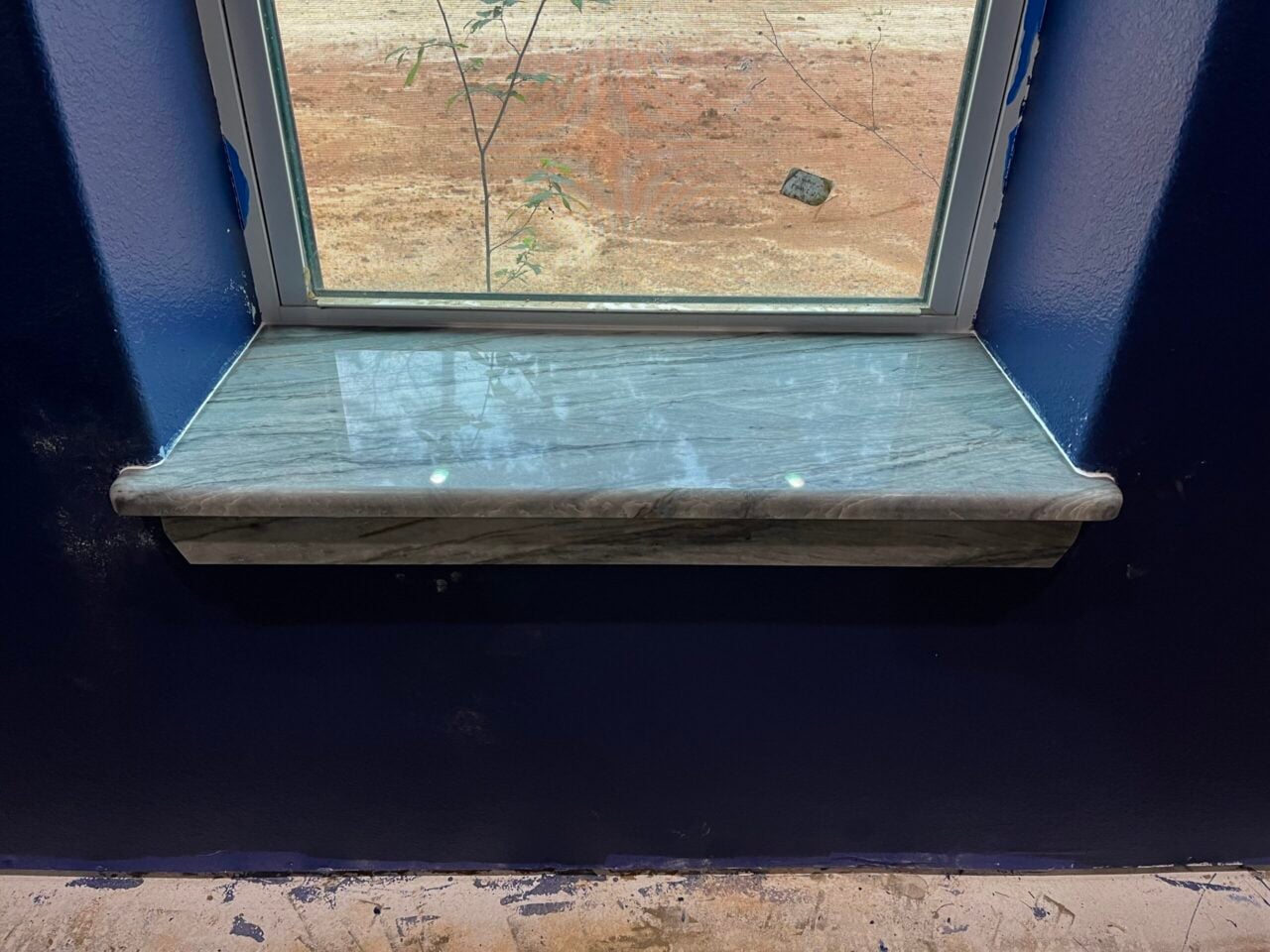
Interior window sills can be fabricated from several materials, each offering different aesthetic and performance characteristics. Natural stone, cast polymer products, engineered stone, and porcelain provide a range of colors, patterns, finishes, and maintenance requirements. Understanding how these materials compare can help homeowners choose the right option for their design preferences, budget, and intended application.
| Material | Characteristics | Benefits | Considerations |
| Granite | Natural stone with distinctive mineral patterns and variations | Durable, heat-resistant, and available in a wide range of colors | Some varieties benefit from periodic sealing |
| Quartzite | Natural stone known for its hardness and marble-like veining | Strong, durable, and offers distinctive natural patterns | May require sealing and appropriate cleaning products |
| Natural Marble | Natural stone with elegant veining and unique variations | Timeless appearance and distinctive character | More susceptible to etching and staining; requires appropriate care |
| Cultured Marble | Cast polymer product made with marble dust and resin, typically featuring a protective gel-coat surface | Nonporous, easy to maintain, and available in customizable colors and patterns | Can be more susceptible to scratching than some natural stone options |
| Cultured Granite | Cast polymer product designed to replicate the appearance of natural granite | Consistent patterns, customizable finishes, and relatively simple maintenance | Does not have the same mineral composition as natural granite |
| Quartz | Engineered stone made primarily from natural quartz combined with resins and pigments | Consistent appearance, low porosity, and a wide selection of colors and patterns | Not as heat-resistant as some natural stone options |
| Porcelain | Manufactured surface made from refined clays and minerals fired at high temperatures | Nonporous, stain-resistant, and highly resistant to heat and UV exposure | Edge fabrication and thickness options depend on the product |
Each material offers distinct advantages, so the right choice depends on the look you want and how you plan to use the window sill. Consider factors such as maintenance, durability, color coordination, and overall project cost when comparing options. Working with an experienced fabricator can also help you determine which material is best suited to your space.
Maintenance Tips for Long-Lasting Stone Window Sills
Proper maintenance helps preserve the appearance and performance of stone window sills. Because natural stone, cast polymer products, engineered quartz, and porcelain have different care requirements, it’s important to use cleaning methods and products suited to your specific material. Follow these maintenance tips to keep your window sills looking their best:
- Use gentle cleaning solutions: Clean window sills regularly with a soft cloth, warm water, and a mild, material-appropriate cleaning solution. Avoid harsh chemicals that could damage certain finishes.
- Avoid abrasive cleaning tools: Use microfiber cloths or nonabrasive sponges rather than rough scrubbers that may scratch or dull the surface.
- Address spills promptly: Wipe away spills, condensation, and standing water to prevent potential staining or moisture-related issues.
- Follow material-specific sealing recommendations: Some natural stones, including certain varieties of granite, marble, and quartzite, benefit from periodic sealing. Cultured marble, engineered quartz, and porcelain generally do not require sealing.
- Use appropriate cleaning products: Avoid acidic cleaners on natural marble and other acid-sensitive stones. Check manufacturer recommendations before using specialized products on any surface.
- Protect the surface from damage: Avoid dragging heavy or sharp objects across window sills, and use appropriate precautions when placing decorative items on the surface.
Following these simple practices can help extend the life of your stone window sills while preserving their appearance. If you’re unsure about the best cleaning or maintenance routine, consult your fabricator for recommendations specific to your material.
How to Choose the Right Stone Window Sill for Your Home
Choosing a stone window sill involves considering your home’s style, functional needs, and maintenance preferences. Think about how the material will complement your existing flooring, countertops, and interior finishes. Natural stone options such as granite, quartzite, and marble offer unique patterns, while cultured marble, cultured granite, engineered quartz, and porcelain provide additional colors and design possibilities.
You’ll also want to consider the sill’s thickness, edge profile, and dimensions. These details affect its overall appearance and how well it fits your window opening. Other factors, including material weight, installation requirements, and maintenance, can help narrow down your options.
Custom Stone Fabrication and Installation from R&D Marble
R&D Marble works with natural stone, cultured marble, cultured granite, engineered quartz, and porcelain to create custom surfaces for residential and commercial spaces. With in-house fabrication in Willis, Texas, our team can produce customized pieces to suit different dimensions, finishes, and design preferences. From window sills and countertops to bathroom surfaces and other custom applications, R&D Marble offers a variety of materials and professional fabrication and installation services.
Stone Window Sill Interior FAQs
Can stone window sills be installed in older homes?
Yes, stone window sills can be incorporated into both new construction and existing homes. Custom fabrication makes it possible to accommodate older window openings that may have unusual dimensions or architectural details. A professional can evaluate the opening and determine the appropriate measurements and installation approach.
Are stone window sills suitable for kitchens and bathrooms?
Yes, stone window sills can be used in kitchens, bathrooms, laundry rooms, and other interior spaces. These rooms often benefit from durable surfaces that complement surrounding countertops, backsplashes, shower walls, and other finishes. The best material depends on the amount of moisture, heat, and everyday use the sill will experience.
Can stone window sills be matched to existing countertops?
In many cases, you can select a window sill material that coordinates with your existing countertops. Using the same material can create a cohesive appearance, while choosing a complementary color or pattern can add subtle contrast. A fabricator can help identify suitable options based on the material, finish, and overall design of your space.
How are stone window sills measured for custom fabrication?
Measurements typically account for the width and depth of the window opening, the surrounding wall thickness, and the desired sill overhang. Other details, such as the edge profile and thickness, may also influence the final dimensions. Professional templating helps ensure the finished piece fits the opening and aligns with the surrounding surfaces.
Can stone window sills be replaced without replacing the entire window?
Yes, replacing an existing window sill does not necessarily require replacing the window itself. The feasibility depends on how the original sill was installed, the condition of the surrounding materials, and whether the replacement can be fitted without disturbing the window assembly. A professional assessment can help determine the best approach and identify any necessary repairs before installation.
Enhance Your Home with Custom Stone Window Sills
Choosing the right interior window sill involves balancing design preferences, durability, and maintenance requirements. Whether you prefer the natural beauty of granite, quartzite, or marble, the customizable appeal of cultured marble and cultured granite, or the modern performance of engineered quartz and porcelain, the right material can add a polished finish to your interior spaces. With a variety of colors, patterns, and customization options available, stone window sills offer both practical functionality and lasting visual appeal.
As an experienced stone surface provider in Willis, we help homeowners explore materials and custom fabrication options for a variety of residential projects. From natural stone and cultured products to engineered quartz and porcelain, our team offers quality materials and professional fabrication and installation services to bring your vision to life.
Ready to enhance your home with custom stone window sills? Contact us today to discuss your project, explore available materials, and request a free estimate.