Choosing the right countertop material is one of the most important decisions in any kitchen or bathroom renovation. Engineered stone and granite are two of the most popular options because they offer durability, visual appeal, and long-term performance. While both materials create beautiful surfaces, they differ in composition, maintenance requirements, appearance, and overall functionality.
For homeowners planning a renovation, understanding the differences between stone vs granite can make it easier to choose the right countertop material. Comparing the strengths of each option helps you select a surface that suits your lifestyle, budget, and design preferences. It also helps ensure your investment delivers both lasting beauty and everyday practicality.
Key Takeaways
- Learn the differences between engineered stone and granite
- Compare durability, maintenance, and appearance
- Understand the benefits of each countertop material
- Discover which material suits different lifestyles
- Choose the best countertop for your home
Understanding Engineered Stone and Granite
Although engineered stone and granite often appear similar, they are made differently and offer distinct advantages. Understanding how each material is produced can help you determine which option best fits your project. Each material varies in composition, performance, and maintenance requirements depending on the intended application. Comparing these characteristics can help you make a more informed design and material selection.
Engineered Stone
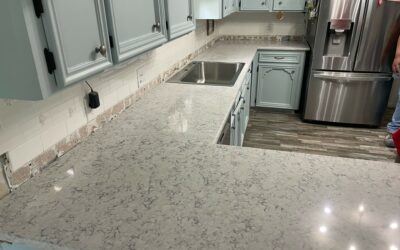
Engineered stone is manufactured by combining natural quartz or stone aggregates with resins and pigments to create a durable, non-porous surface. This process produces countertops with consistent colors and patterns while offering excellent resistance to stains and moisture. Many homeowners choose engineered stone because it combines the appearance of natural stone with the convenience of a low-maintenance surface.
Granite
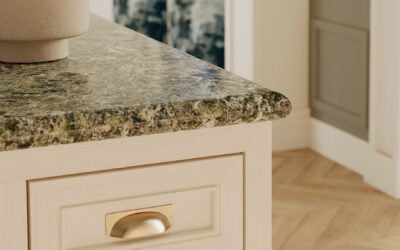
Granite is a natural igneous stone formed over millions of years through the cooling of molten rock beneath the earth’s surface. Every slab features unique mineral patterns, colors, and veining, making each countertop one of a kind. Granite continues to be a popular choice for homeowners who appreciate the distinctive beauty and character of natural stone.
Durability: Which Material Lasts Longer?
Durability is one of the biggest factors when choosing a countertop. Both engineered stone and granite are designed to withstand everyday use, but each offers different performance benefits. Their resistance to scratches, stains, heat, and impact can vary depending on the material and how it is maintained. Understanding these differences helps ensure you choose a surface that meets your long-term performance needs.
Engineered Stone
Engineered stone is highly durable and resistant to scratches, stains, and moisture because of its non-porous surface. It does not require sealing and performs well in busy kitchens where spills and everyday use are common. Its consistent manufacturing process also reduces the likelihood of natural imperfections within the material.
Granite
Granite is one of the hardest natural stones available for countertops. It offers outstanding resistance to scratches and heat, making it suitable for kitchens that experience frequent cooking and food preparation. With proper sealing and routine maintenance, granite countertops can maintain their durability and appearance for decades.
Appearance and Design Options
The appearance of a countertop plays an important role in the overall design of a kitchen or bathroom. While both materials are available in a variety of styles, they create different visual effects. Differences in color consistency, pattern variation, and surface finish influence the overall aesthetic. Choosing the right material helps create a look that complements your design vision and space.
Engineered Stone
Engineered stone offers a wide selection of colors, patterns, and finishes. Since it is manufactured, the appearance remains consistent across the slab, making it easier to achieve a uniform design. Many engineered stone countertops are designed to replicate the look of marble, granite, or other natural stones while offering a modern, refined appearance.
Granite
Granite showcases naturally occurring colors, veining, and mineral variations that cannot be replicated by manufactured materials. Every slab has its own distinctive pattern, creating a unique countertop with natural character. For homeowners who value individuality and organic beauty, granite remains a timeless choice.
Maintenance Requirements
Countertop maintenance is another important consideration when comparing engineered stone and granite. The amount of care required depends on the material’s composition and surface properties. Factors such as sealing, stain resistance, and routine cleaning can influence long-term upkeep. Understanding these maintenance differences helps you choose a countertop that fits your lifestyle and maintenance preferences.
Engineered Stone
Engineered stone is non-porous, making it resistant to stains, moisture, and bacteria. Routine cleaning with mild soap and water is generally all that’s needed to keep the surface looking its best. Since sealing is not required, engineered stone is often preferred by homeowners seeking a low-maintenance countertop.
Granite
Granite requires periodic sealing to maintain its resistance to moisture and staining. Regular cleaning with stone-safe products helps preserve the surface while protecting its natural finish. With proper care, granite remains a durable and attractive countertop material for many years.
Heat and Scratch Resistance
Countertops should be able to withstand the demands of everyday use, including hot cookware, food preparation, and frequent cleaning. Both engineered stone and granite offer durable surfaces, but they perform differently under certain conditions.
Engineered Stone
Engineered stone provides excellent scratch resistance for everyday kitchen activities. However, because it contains resins, prolonged exposure to high heat may damage the surface or cause discoloration. Using trivets or heat pads is recommended when placing hot cookware on engineered stone countertops.
Granite
Granite is naturally heat resistant and can tolerate higher temperatures than engineered stone. It also offers exceptional scratch resistance, making it a practical option for busy kitchens. Although highly durable, using cutting boards and trivets can help preserve the countertop’s finish over time.
Cost and Long-Term Value
The cost of a countertop depends on factors such as the material, slab quality, design, and installation requirements. While engineered stone and granite are both considered premium materials, they offer different long-term value based on maintenance needs and appearance.
Engineered Stone
Engineered stone is available in a wide range of styles and price points, making it suitable for many renovation budgets. Its low-maintenance surface and consistent appearance can provide long-term value for homeowners seeking convenience and durability.
Granite
Granite pricing varies depending on the rarity, color, and origin of the slab. Although it requires periodic sealing, many homeowners consider granite a worthwhile investment because of its natural beauty, durability, and timeless appeal.
Best Applications for Each Material
Choosing between engineered stone and granite often depends on where the countertop will be installed and how it will be used. Each material offers advantages that make it better suited for certain applications. Understanding the strengths of both options can help you choose a countertop that balances appearance, durability, and long-term performance.
Engineered Stone Is Ideal For
- Busy family kitchens
- Bathroom vanity tops
- Contemporary kitchen designs
- Homeowners seeking low-maintenance surfaces
- Spaces requiring consistent colors and patterns
Granite Is Ideal For
- Luxury kitchens
- Outdoor kitchens
- Statement kitchen islands
- Homeowners who prefer natural stone
- Spaces featuring unique slab patterns
Both materials provide excellent durability and long-term performance. The final choice depends on your design preferences, maintenance expectations, and lifestyle. Understanding the strengths of each material can help you select a countertop that best suits your home and everyday needs.
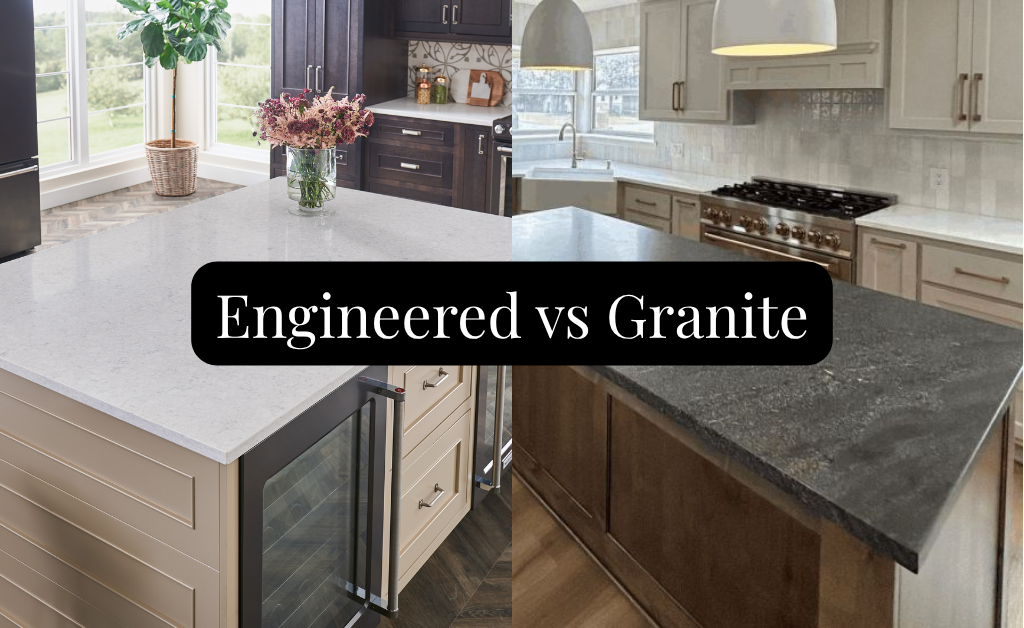
Engineered Stone vs Granite Comparison
Comparing engineered stone and granite side by side makes it easier to understand how each material performs in different areas. While both offer durability and visual appeal, they differ in maintenance, appearance, and long-term care requirements. Reviewing these differences can help you choose the countertop material that best fits your home, lifestyle, and design goals.
| Feature | Engineered Stone | Granite |
| Composition | Engineered quartz and resins | Natural stone |
| Appearance | Consistent colors and patterns | Unique natural veining |
| Maintenance | Low | Moderate |
| Sealing Required | No | Yes |
| Heat Resistance | Good | Excellent |
| Scratch Resistance | Excellent | Excellent |
| Stain Resistance | Excellent | Good with sealing |
| Best For | Low-maintenance homes | Natural stone enthusiasts |
Both materials offer long-lasting performance and attractive designs. Each option has unique strengths that make it suitable for different homes and lifestyles. Understanding their differences can help you choose a countertop that best meets your design preferences and everyday needs.
How to Choose Between Engineered Stone and Granite
Selecting the right countertop involves balancing appearance, durability, maintenance, and lifestyle. Understanding your priorities can help narrow down the best material for your home. Comparing the features and benefits of each option makes it easier to choose a countertop that complements your space and everyday needs.
Consider the following recommendations based on your priorities:
- If low maintenance is your priority, engineered stone is the better choice. Its non-porous surface resists stains and does not require regular sealing, making it easy to maintain.
- If you value natural beauty, granite is an excellent option. Every slab features unique colors, patterns, and veining, creating a one-of-a-kind appearance.
- If you prefer a consistent look, engineered stone offers greater uniformity. Manufactured slabs provide consistent colors and patterns that suit modern and minimalist spaces.
- If heat resistance is your main concern, granite performs well under high temperatures. However, using trivets or hot pads is still recommended to help protect the surface.
- If you’re designing a modern kitchen, engineered stone offers a wide selection of contemporary colors, finishes, and patterns.
- If long-term durability is your priority, both engineered stone and granite are excellent choices. With proper installation and routine care, either material can provide lasting performance.
Choosing the right countertop is about more than appearance. Consider how the material will be used each day, the level of maintenance you’re comfortable with, and the overall design of your space. Taking these factors into account can help you choose a countertop that delivers lasting beauty and practical performance.
Engineered Stone vs Granite FAQs
Is engineered stone stronger than granite?
Engineered stone offers excellent durability and resists stains and scratches because of its non-porous surface. Granite is also extremely durable and provides exceptional heat resistance for everyday use. Both materials perform well in residential kitchens and bathrooms, making the best choice dependent on your lifestyle and maintenance preferences.
Which countertop requires less maintenance?
Engineered stone generally requires less maintenance because it does not need sealing. Routine cleaning with mild soap and water is usually enough to keep the surface looking its best. Granite requires periodic sealing to maintain its resistance to moisture and stains, but with proper care, it also provides long-lasting performance.
Is granite better for outdoor kitchens?
Yes. Granite is naturally resistant to heat and weather, making it a better choice for outdoor kitchen applications. Engineered stone is typically recommended for indoor use because prolonged exposure to sunlight may affect its appearance. Choosing the right material for the installation environment helps ensure long-term durability and performance.
Which countertop offers more design options?
Engineered stone is available in a wide variety of consistent colors and patterns. Granite offers naturally occurring variations that make every slab unique. The best choice depends on whether you prefer a uniform appearance or the distinctive character of natural stone.
Does either material increase home value?
Both engineered stone and granite are considered premium countertop materials that can enhance the appearance and functionality of a home. Choosing a high-quality countertop that complements your space can increase the appeal of a kitchen or bathroom renovation. It may also contribute to the overall value and marketability of your home.
Choosing Between Engineered Stone and Granite
Choosing between engineered stone and granite depends on your design preferences, maintenance expectations, and how you plan to use your countertop. Both materials offer excellent durability, long-term performance, and lasting visual appeal. By comparing their features and selecting the option that best suits your lifestyle, you can create a countertop that adds both beauty and value to your home.
As countertop installation professionals in Willis, we help homeowners select premium materials that match their style, budget, and everyday needs. From choosing the right slab to expert fabrication and installation, our team is committed to delivering countertops that combine lasting performance with exceptional craftsmanship.
Ready to upgrade your kitchen or bathroom with a new countertop? Contact us today to schedule a consultation and learn more about our engineered stone and granite countertop solutions.