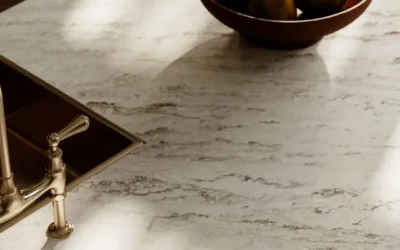
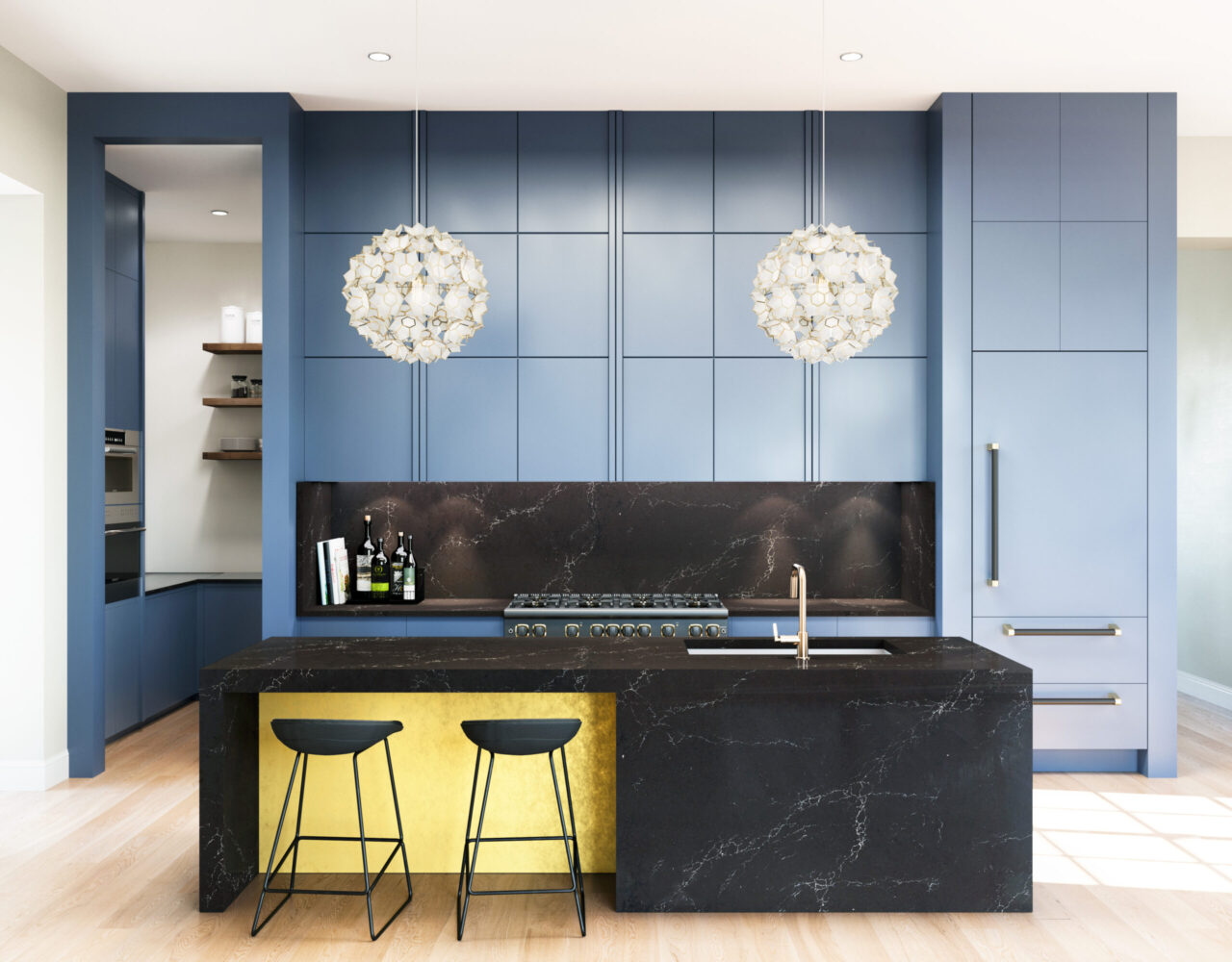
The color of your countertops can influence the entire look and feel of a kitchen, bathroom, or other living space. From bright, clean surfaces that create an open atmosphere to darker tones that add depth and contrast, the right color can help bring your design vision together. With a wide variety of quartz stone colors available, homeowners can explore options ranging from subtle neutrals to bold patterns that make a statement.
Quartz is a manufactured surface that offers a diverse selection of colors and visual patterns to complement different interior styles. Whether you’re planning a kitchen update, refreshing a bathroom vanity, or coordinating countertops with existing cabinetry and flooring, choosing the right shade involves more than personal preference. Understanding popular color options, pattern variations, and key design considerations can help you select a quartz surface that suits your space.
Key Takeaways
- Quartz is available in a wide range of colors and visual styles
- White, gray, cream, and darker quartz can create different design effects
- Veining and pattern can significantly influence how a quartz surface looks
- Lighting and surrounding materials can affect how a quartz color appears
- The right quartz color should complement the overall design and intended use of the space
Exploring Different Quartz Stone Colors
Quartz countertops are available in a broad range of colors and patterns, making it easier to coordinate surfaces with different interior styles. Some designs feature consistent, understated tones, while others incorporate contrasting colors, veining, or more dramatic patterns. Exploring the main color categories can help you narrow your options and find a surface that complements your space.
White and Off-White Quartz
White and off-white quartz are popular choices for homeowners who want a bright, clean appearance. These lighter surfaces can help kitchens and bathrooms feel more open and pair well with a variety of cabinet colors, flooring materials, and fixtures. Some designs feature a relatively uniform finish, while others incorporate gray or warm-toned veining to add visual interest without overwhelming the space.
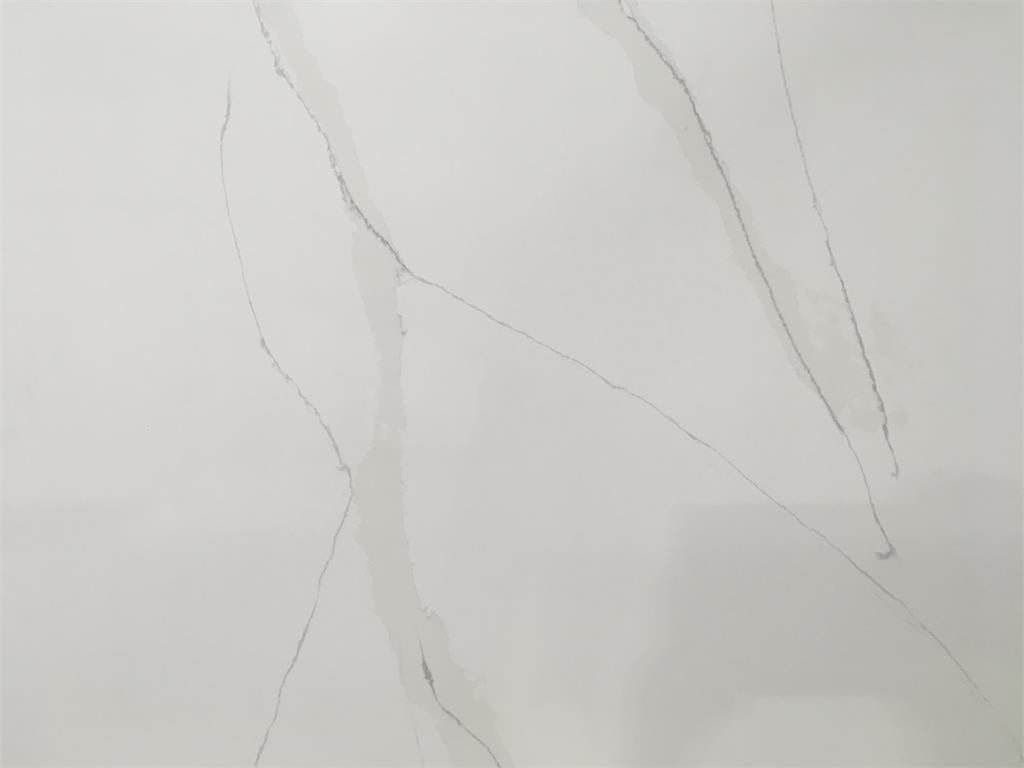
Calacatta Plata
Gray Quartz
Gray quartz offers flexibility across a range of interior styles, from contemporary spaces to transitional designs that combine traditional and modern elements. Light gray surfaces can create a soft, neutral backdrop, while medium gray introduces more contrast, and darker shades provide a stronger visual presence. Depending on the undertones and pattern, gray quartz can coordinate with white cabinetry, natural wood, stainless steel appliances, and other finishes.
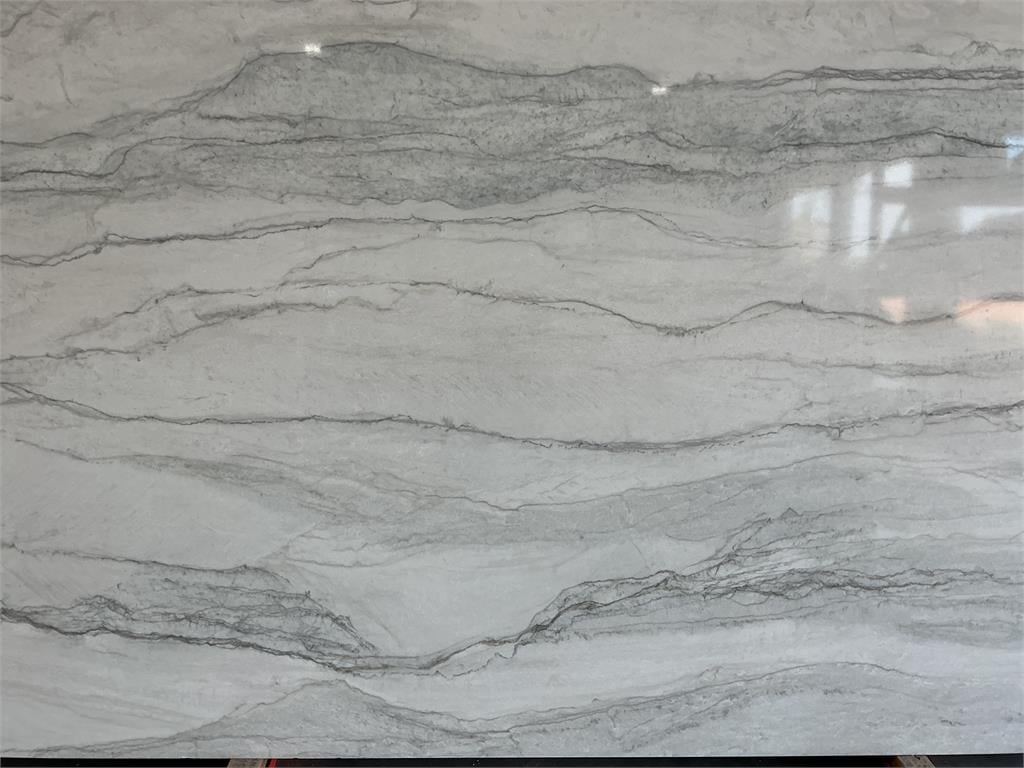
Perla Verde
Beige and Cream Quartz
Beige and cream quartz can bring warmth to a kitchen, bathroom, or other interior space. These shades complement natural wood cabinetry, warm-toned flooring, brass hardware, and other materials with earthy or golden undertones. Some designs feature consistent coloring, while others incorporate subtle patterns that add dimension while maintaining a cohesive, understated look.
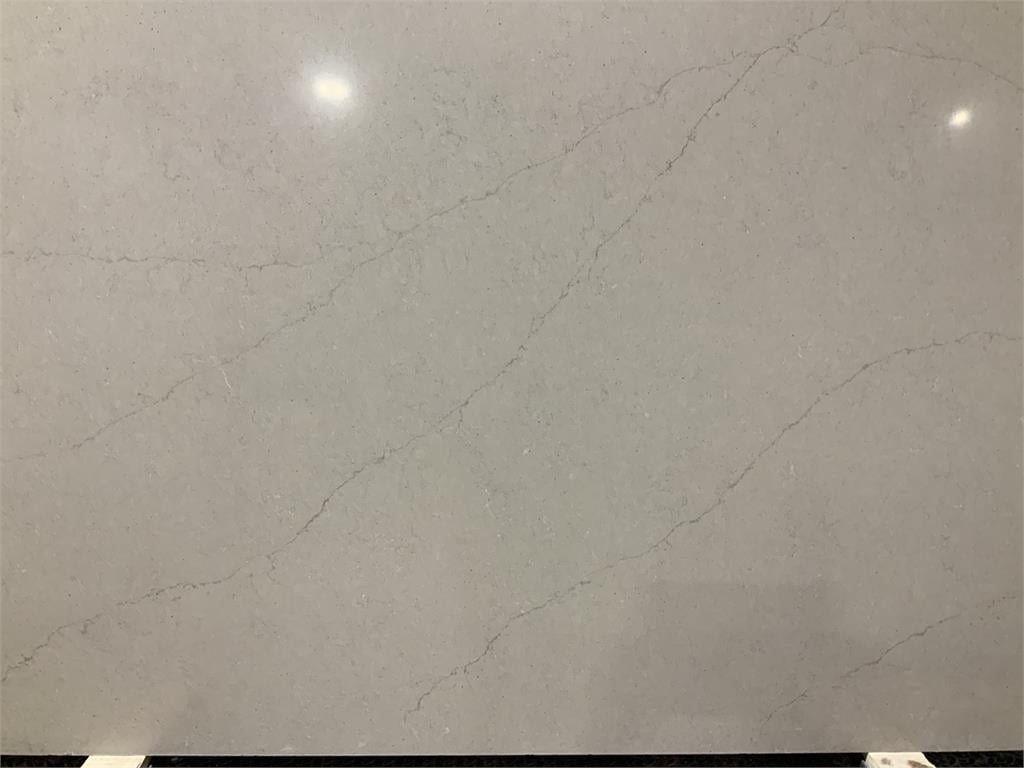
Capitol Beige
Dark Quartz
Black, charcoal, and other deep quartz tones can create contrast and add definition to an interior. Dark countertops can stand out against light cabinetry or complement darker finishes for a more dramatic, coordinated appearance. Depending on the design, a dark quartz surface may have a relatively uniform color or include veining and other patterns that introduce additional visual depth.

Steel Grey Dual Sided
Multicolor and Statement Quartz
Multicolor quartz designs combine different tones, prominent veining, or distinctive patterns to create a more noticeable design feature. These surfaces can serve as a focal point in a kitchen island, bathroom vanity, or other area where the countertop plays a central role in the overall design. When choosing a statement surface, consider how its colors and patterns will coordinate with cabinetry, backsplashes, flooring, and surrounding finishes.
For homeowners interested in a more distinctive quartz design, Cambria Wyncrest is one option available through R&D Marble. Its patterned appearance can help introduce visual character while giving homeowners a surface to coordinate with the rest of their interior finishes. Viewing the actual color and pattern alongside cabinet samples and other materials can help you determine whether it suits your space.
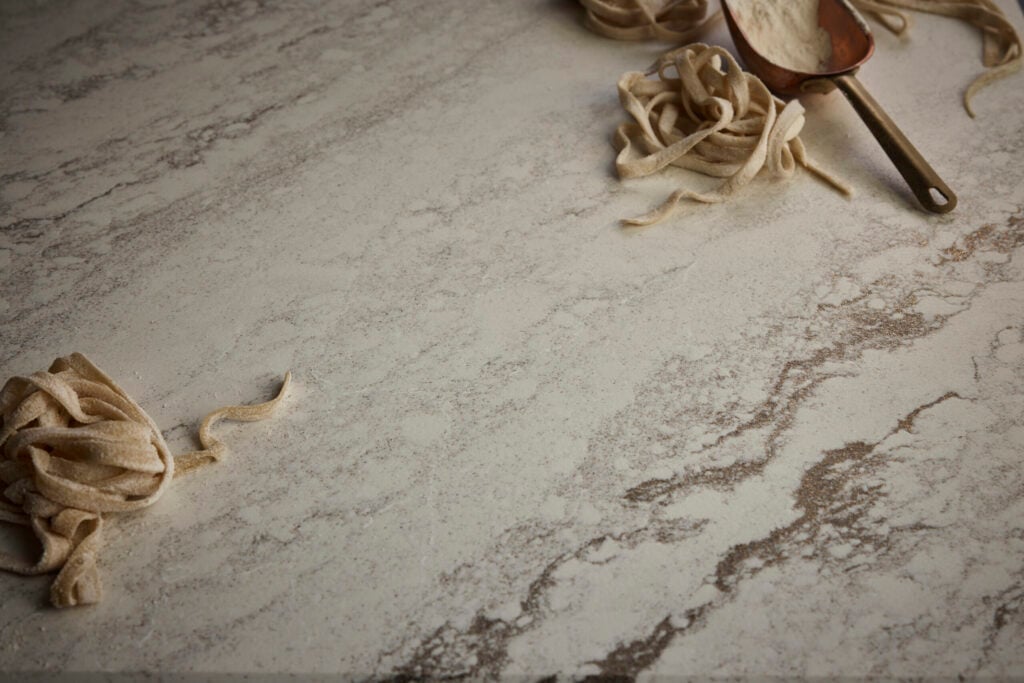
Cambria Wyncrest Quartz
Quartz Colors and Patterns
Color is only one part of a quartz surface’s appearance. Veining, pattern variation, and contrast also influence how a countertop looks and how well it complements the surrounding space.
Subtle vs. Dramatic Veining
Quartz veining can range from delicate lines to bold, marble-inspired patterns. Consider how each style might work in your space:
- Subtle veining: Adds gentle detail without overpowering the design. It works well with patterned backsplashes or decorative cabinetry.
- Dramatic veining: Creates a striking focal point, especially on kitchen islands or bathroom vanities paired with simpler finishes.
Consistent vs. Varied Patterns
Quartz patterns can also differ in how much variation they feature across the surface:
- Consistent patterns: Offer a more uniform appearance that pairs easily with different cabinet styles, flooring, and finishes.
- Varied patterns: Introduce more movement and visual interest, making countertops more distinctive. Consider how the pattern will look across larger surfaces and around seams.
How to Choose the Right Quartz Stone Color
Choosing a quartz color involves more than selecting a shade you like. Consider how the countertop will work with the room’s existing finishes, lighting, and overall design to create a cohesive look.
Consider the Room’s Overall Design
Your countertops should complement the other materials and finishes in the space. Before choosing a quartz color, consider how it will coordinate with:
- Cabinetry: Contrast light cabinets with darker quartz or pair wood tones with warm neutrals
- Flooring: Look for colors and undertones that work well with the floor’s finish
- Backsplashes: Decide whether you want a coordinated appearance or contrast between the surfaces
- Hardware and fixtures: Consider how metals and other finishes complement the quartz color
Think About Lighting
Natural and artificial lighting can influence how quartz colors and patterns appear throughout the day. A surface may look warmer, cooler, lighter, or darker depending on the lighting conditions and surrounding finishes. Whenever possible, view samples in the room where the countertops will be installed to get a better sense of their appearance.
Consider the Size of the Space
The color and pattern of your countertops can influence the overall feel of a kitchen or bathroom. Lighter quartz may contribute to a bright, airy appearance, while darker surfaces can introduce contrast and visual depth. Consider the room’s existing finishes and how much countertop area will be visible when deciding which option suits the space.
Decide How Much Visual Impact You Want
Think about whether you want your countertops to blend into the design or become a focal point. Subtle colors and understated patterns can complement other prominent features, while bold veining and contrasting tones can draw attention to an island or vanity. Choosing the right level of visual impact helps ensure the countertop works with the rest of the room rather than competing with it.
Where Can Quartz Stone Be Used?
Quartz surfaces can complement a variety of residential and commercial spaces, from kitchen countertops to bathroom vanities and other interior features. The best color and pattern depend on the surrounding materials, the desired design style, and the intended application. Consider how each surface will coordinate with nearby finishes when selecting a quartz color.
| Application | Color and Design Considerations |
| Kitchen countertops | White, gray, beige, and darker quartz can complement different cabinet colors, backsplashes, and flooring styles |
| Kitchen islands | Bold veining or contrasting colors can create a focal point, while subtle patterns maintain a cohesive look |
| Bathroom vanities | Light neutrals can create a clean appearance, while darker tones add contrast against lighter fixtures and cabinetry |
| Tub and shower surrounds | Coordinate the quartz color with bathroom tile, fixtures, and other finishes, and verify that the selected product is suitable for the application |
| Other residential surfaces | Use complementary colors and patterns for coordinated interior features, such as built-in surfaces |
| Commercial interiors | Choose colors and patterns that align with the space’s design, whether understated and neutral or bold and distinctive |
Why Consider Quartz for Your Space?
Quartz appeals to homeowners and designers because it offers a wide selection of colors, patterns, and finishes to suit different interior styles. Its manufactured composition allows for a more consistent appearance than many natural stone surfaces, making it easier to compare designs and coordinate colors across a space. Quartz is also generally considered a relatively low-maintenance countertop option, although care requirements and performance characteristics can vary by product. Reviewing the manufacturer’s specifications can help you understand the recommended cleaning methods and other details before making a selection.
How R&D Marble Can Help You Choose a Quartz Color
Choosing the right quartz color is easier when you can compare available options and consider how they will work with your cabinetry, flooring, and other finishes. With experience in stonework dating back to 1979, R&D Marble helps homeowners and other customers explore surface options for their projects. By reviewing different colors, patterns, and finishes, you can narrow your choices and find a quartz surface that complements your space and suits your design preferences.
Quartz Stone Colors FAQ
What colors does quartz come in?
Quartz is available in a wide variety of colors, from soft whites and warm creams to cool grays, deep blacks, and multicolor designs. Some options have a relatively uniform appearance, while others incorporate contrasting tones or intricate patterns. This variety makes it possible to find a surface that suits both understated and more expressive interior designs.
What is the most popular quartz color?
There is no single quartz color that suits every project or design preference. White and other neutral shades are common choices for their versatility, while darker colors and more pronounced patterns appeal to those seeking stronger contrast. The right option depends on the desired look and how the countertop fits into the overall space.
Does quartz come in colors that look like natural stone?
Yes, many quartz designs draw inspiration from natural materials such as marble and granite. Marble-inspired options may feature flowing veins and contrasting lines, while other patterns create a more speckled or stone-like appearance. Because quartz is manufactured, these designs offer a range of visual effects without requiring the surface to be cut from a natural stone slab.
How do I choose a quartz color for my kitchen?
Start by considering the visual balance you want to create between your countertops and other kitchen features. If your cabinetry or backsplash already has a prominent pattern or color, a more understated quartz design may help keep the space cohesive. For kitchens with simpler finishes, a more distinctive countertop can introduce contrast and visual interest. Comparing physical samples with your existing materials can help you make a more informed decision.
Can I get a unique or distinctive quartz color?
Yes, quartz manufacturers offer designs that go beyond basic solid colors, including distinctive veining, layered tones, and patterns inspired by natural stone. Options such as Cambria Wyncrest are suitable for customers looking for a more distinctive surface. Reviewing the available designs in person can help you compare their colors and patterns before choosing one for your project.
Finding the Right Quartz Stone Color
Choosing the right quartz stone color starts with understanding how different shades and patterns can shape your space. From subtle whites and warm neutrals to darker tones and distinctive veining, quartz offers options for a wide range of interior styles. Considering lighting, cabinetry, flooring, and other surrounding materials can help you select a surface that complements your design and creates the look you want.
With experience dating back to 1979, R&D Marble helps customers explore stone and quartz options for their projects. Its selection includes a variety of colors and patterns, including distinctive designs such as Cambria Wyncrest. Comparing available surfaces can help you identify an option that aligns with your aesthetic preferences and the needs of your space.
Whether you’re updating a kitchen, refreshing a bathroom, or planning another interior project, our team can help you explore your options. Contact us to learn more about available quartz surfaces and request a free estimate for your project.